


Introduction to Eyeshadow Basics
Eyeshadow is a cosmetic product designed to enhance the appearance of the eyelids. It serves various purposes, including adding color, depth, and dimension to the eyes, which can lead to an overall more polished look. Despite the myriad of options available, understanding the fundamental types of eyeshadow is essential for any beginner. Primarily, eyeshadow comes in four forms: powder, cream, liquid, and stick. Powder eyeshadows are versatile and easy to blend, making them popular among novices. Cream eyeshadow offers a more vibrant color payoff and can provide a long-lasting finish. Liquid and stick eyeshadows typically deliver bold pigments and are favored for their easy application.
For individuals just beginning their eyeshadow journey, selecting the appropriate colors and techniques is crucial. One of the first steps is to know your eye shape, as this knowledge will significantly influence the application techniques employed. For instance, almond-shaped eyes may benefit from a wider range of techniques compared to round eyes, which may require softer shades to elongate their appearance. Additionally, understanding skin tone is paramount when choosing eyeshadow colors. Warm skin tones often pair well with earthy and warm-toned shadows, while cooler skin tones might best complement shades with blue or pink bases.
Moreover, exploring the color wheel can assist in selecting complementary shades that enhance the eye’s natural beauty. As you begin to experiment with different shades, remember that practice is key. Starting with neutral tones can provide a gentler introduction to the world of eyeshadow application. Ultimately, mastering these essentials will pave the way for more intricate eyeshadow looks, empowering anyone to develop their makeup skills with confidence.
Essential Tools for Flawless Application
Achieving a flawless eyeshadow look begins with the right tools. Understanding the various brushes, sponges, and primers available helps in creating stunning and tailored eye makeup effects. Each tool plays a critical role in the application process, and selecting the appropriate items can elevate the overall result of your eyeshadow application.
First and foremost, eyeshadow brushes come in various shapes and sizes, allowing for versatility and precision. A flat shader brush is essential for packing color onto the lid, ensuring that pigments adhere fully to the skin. Additionally, a blending brush, typically fluffier, is pivotal for seamlessly merging multiple shades and creating depth. When choosing brushes, consider bristle type; synthetic fibers are ideal for cream products, while natural fibers often work best with powder eyeshadows.
In addition to brushes, sponges can provide a unique way to apply and blend eyeshadow. A damp makeup sponge can help achieve a softer look, especially for cream or liquid shadows. This method encourages a more diffused application and can minimize harsh lines. When opting for a sponge, ensure it is clean and well-maintained to avoid any potential makeup mishaps.
Primer is another essential tool in the eyeshadow application kit. By applying an eyeshadow primer prior to color, you not only enhance the vibrancy of the shadows but also increase their longevity. Primers create a smooth canvas and prevent creasing throughout the day. When selecting a primer, consider your skin type; if you have oily eyelids, opt for a mattifying formula, while those with dry skin may prefer a hydrating option.
Incorporating these essential tools into your makeup routine will significantly improve your eyeshadow application. Ensuring the right combination of brushes, sponges, and primers will allow for flawless results, no matter the look you desire to achieve.
Choosing the Right Eyeshadow Colors
When it comes to selecting eyeshadow colors, understanding the interplay between skin tone and eye color is essential for achieving a harmonious look. Different shades can enhance one’s features, but choosing the right ones can sometimes feel daunting. To simplify the process, it’s useful to start by identifying your skin tone, which can generally be categorized as warm, cool, or neutral. Warm undertones typically pair well with earthy hues like bronze and peach, while cool undertones are complemented by jewel tones such as sapphire and emerald. Neutral tones can play in both spectrums, allowing a wider range of potential shades.
Next, consider eye color when selecting eyeshadow shades. For instance, brown eyes might benefit from rich purples or blues that make the color pop, whereas blue eyes often shine with shades of copper and warm nudes. Green eyes can be beautifully enhanced with colors like mauve or burgundy. Utilizing complementary colors, based on the color wheel, can also create striking contrasts that draw attention to your eyes.
In addition to understanding color dynamics, it’s advantageous to invest in versatile eyeshadow palettes. Palettes that include a mix of matte, shimmer, and satin finishes can provide options for various occasions—from everyday wear to special events. Brands tend to offer collections that feature a balance of neutral and bold colors, which can help users experiment while maintaining a cohesive look. Ultimately, the selection of eyeshadow shades is a combination of personal preference and knowledge of color theory basics. By considering skin tone and eye color, individuals can confidently select shades that will accentuate their beauty, making eyeshadow application an enjoyable experience.
Simple Everyday Eyeshadow Looks
For those venturing into the world of eyeshadow, simple everyday looks offer a perfect entry point. These styles require minimal products and techniques, allowing beginners to achieve beautifully polished results without overwhelming complexity. The focus here will be on ease of application, color coordination, and blending techniques that enhance the eyes while ensuring the look remains suitable for both work and casual outings.
One of the most versatile combinations is the classic neutral palette. Begin with a soft beige or cream shade as a base over your eyelids. This helps to neutralize any discoloration while providing a great platform for other colors. Next, apply a warm taupe or light brown to the crease. This color should be blended well to create depth, ensuring there are no harsh lines. To elevate the look, a subtle shimmer—like a champagne or rose-gold tone—can be dabbed onto the center of the lid using either a finger or a flat brush. This adds dimension and draws attention to the eyes, making them appear more vibrant.
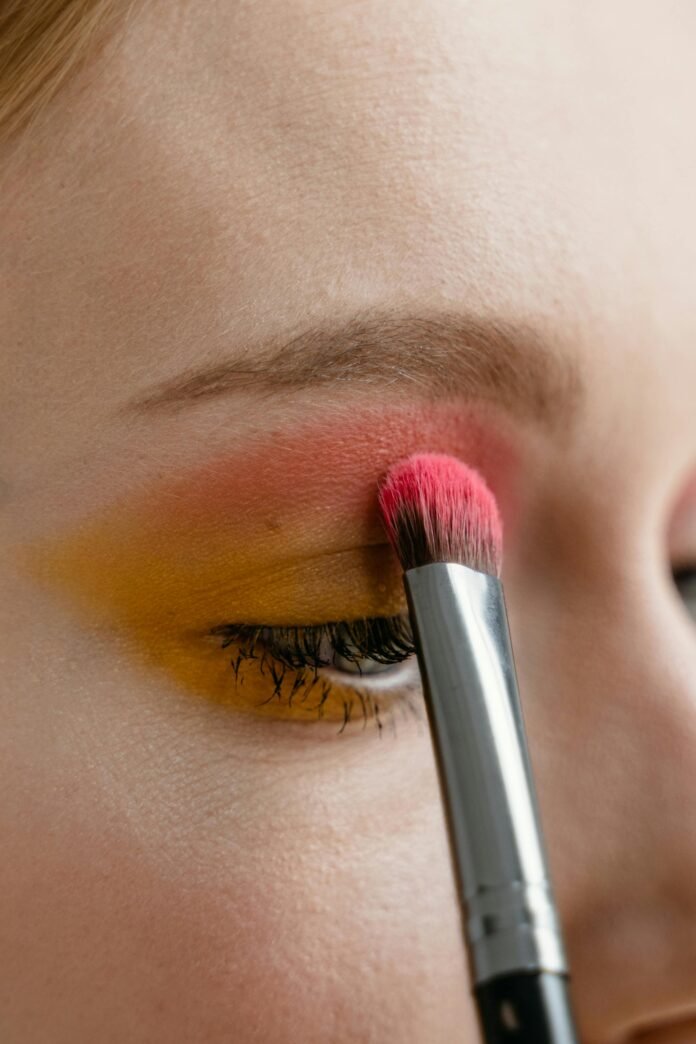
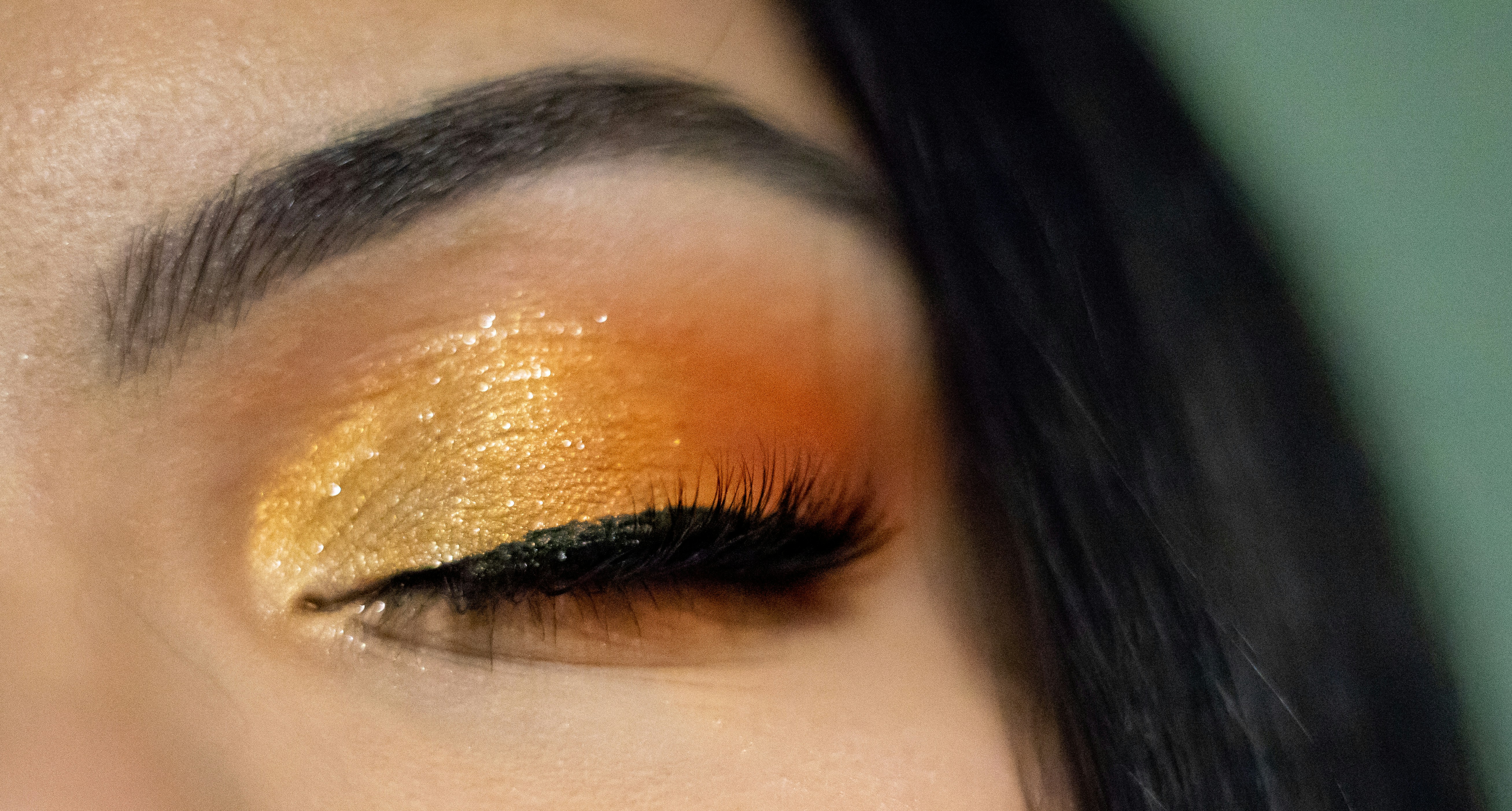
Another easy yet effective look can be achieved with a pop of color. For instance, a soft peach or coral can be used in the crease while a light gold is applied to the lid. This approach creates a cheerful, lively appearance without being overly dramatic. Remember to blend these shades seamlessly, gradually building the color intensity to achieve a smooth transition. To top off any everyday look, a thin line of eyeliner close to the lash line can enhance the effect without detracting from the natural appearance of the eyes. A coat of mascara finishes the ensemble, ensuring your eyes stand out just the right amount.
By incorporating these simple eyeshadow looks into your routine, you can effortlessly master the art of applying eyeshadow while enhancing your everyday appearance. The key lies in selecting the right colors and mastering the blending technique for a polished finish.
Step-by-Step Tutorial for a Classic Smokey Eye
Creating a classic smokey eye is an essential skill for anyone interested in makeup artistry. This versatile look can suit various occasions, from casual outings to more formal events. By following these detailed steps, you can effectively master the art of the smokey eye with ease.
Begin by prepping your eyelids. Apply an eye primer to create a smooth canvas, ensuring that your eyeshadow adheres well and lasts longer. A neutral-toned base eyeshadow should then be applied across your eyelids to provide an even foundation. Choose a shade that is close to your skin tone; this will set the stage for the darker eyeshadow application to follow.
Next, select a medium-toned eyeshadow for the transition. With a fluffy blending brush, apply this color to your crease in a windshield wiper motion, seamlessly blending from side to side. This step helps to create depth and connects your darker shades smoothly. Remember to take your time with this part, as blending is key to achieving a flawless smokey eye.
Now, it’s time to introduce the darker shades. Using a more precise brush, apply a dark eyeshadow to the outer corners of your eyes. Pat the product onto the eyelid rather than sweeping it to prevent harsh lines. Work the shadow towards the center of your eyelid, gradually building intensity as desired. A common choice for the smokey effect includes colors like deep gray, black, or navy. Make sure to blend the edges well with the transition shade for a cohesive look.
Once you have the desired depth, apply a pop of shimmer or a lighter shade to the inner corners and the center of the lid. This contrast will enhance the smokey eye, adding dimension. Finally, finish off the look by applying eyeliner to your waterline and adding mascara for that extra definition. Remember to clean up any fallout with a concealer and ensure everything blends well for a polished finish.
With practice, the classic smokey eye can become an effortless addition to your makeup repertoire.
How to Add a Pop of Color
Incorporating a pop of color into your eyeshadow looks can elevate your makeup game without overwhelming your overall appearance. The key lies in strategic application and the right choice of shades that complement your eye color and skin tone. One effective technique is to apply bold colors on the eyelids, which serves as the primary canvas for your creative expression.
Start with a neutral base to allow the vibrant shades to stand out. Begin by applying a soft eyeshadow primer to create a smooth surface. Once the primer is set, choose a bold shade—such as electric blue, vibrant purple, or sunny yellow—to apply directly to the upper eyelid. Use a flat brush to ensure even distribution and build up the color gradually, allowing you to control the intensity. To soften the look, blend the edges with a lighter shade from the same color family or a transition shade that matches your skin tone.
For a more subtle yet striking approach, consider adding color under the lower lash line. This technique can refresh your look without being overpowering. Select a bright shade that resonates with the color on your eyelids, and using a small, precise brush, apply it just beneath the lower lashes. This adds a fun accent while maintaining balance in your overall makeup.
Experimentation is crucial in mastering bold eyeshadow applications. Play around with color combinations and textures; for instance, pairing a matte shade with a sparkly highlight can create dynamic contrast. Don’t shy away from using colors like teal or fuchsia, which can complement various looks. Ultimately, the goal is to channel your creativity, allowing your personality to shine through each color choice.
Tips for Long-Lasting Eyeshadow
Achieving a long-lasting eyeshadow look involves careful preparation and the choice of the right products. One essential step in this process is the use of an eyeshadow primer. Primers are specifically designed to create a smooth base for the eyeshadow, evening out the skin tone and texture on the eyelids. By applying a thin layer of primer before your eyeshadow, you can significantly enhance its adherence and vibrancy, allowing the color to stay intact throughout the day.
Choosing the correct formula of eyeshadow also plays a crucial role in its longevity. Cream formulas tend to have a more substantial texture that can grip the skin better, thus providing extended wear. On the other hand, powder eyeshadows require the application of a primer for optimal results. When selecting eyeshadows, those labeled as “long-wear” or “waterproof” can offer additional assurance that your look remains intact, even under various conditions, from humid weather to emotional events.
Another technique to achieve long-lasting effects is layering. Start with a base eyeshadow that complements your overall look, then gradually build color by layering it with deeper shades. This not only adds dimension but also aids in the longevity of the overall appearance. After layering, consider applying a setting spray designed specifically for eye makeup. A few careful spritzes can seal your eyeshadow in place, adding extra security against smudging or fading.
In various occasions, from casual outings to formal events, it is important to adapt your eyeshadow application technique. For a day at the office, softer matte shades paired with a primer may be ideal, while evening events might allow for bolder, shimmering shades. By tailoring your approach based on the occasion, you can ensure that your eyeshadow remains as vibrant and appealing as when first applied.
Common Eyeshadow Mistakes and How to Avoid Them
When it comes to applying eyeshadow, beginners often encounter several common pitfalls that can hinder the overall effect of their eye makeup. Understanding these mistakes and how to overcome them is crucial for mastering effortless eyeshadow looks.
One frequent mistake is uneven application. Often, this results from applying too much product or failing to blend properly. To avoid this, begin by using a makeup primer on your eyelids. This not only provides a smooth canvas but also helps the eyeshadow adhere better, ensuring a more uniform application. When picking up product with your brush, opt for a small amount, then build up the intensity gradually. Remember to blend in circular motions to achieve a seamless finish.
Another common issue is over blending. While blending is essential for a polished appearance, excessive blending can lead to a muddied look, especially when using multiple colors. To prevent this, be decisive with your brush strokes; blend only until the lines between colors are soft yet distinct. Additionally, use different brushes for each shade to maintain the integrity of your color placement.
Choosing the wrong colors is another prevalent error. This often results in an unflattering appearance or a look that doesn’t complement the individual’s skin tone or eye color. To navigate this, identify which hues best enhance your features. Earthy tones can provide a subtle enhancement, while bright colors can create a striking contrast. It can be helpful to refer to color wheels or swatch colors on your wrist to see what complements your undertone before applying them to your eyelids.
With awareness of these common eyeshadow mistakes, beginners can significantly improve their technique. By focusing on even application, mindful blending, and color selection that suits their complexion, anyone can achieve beautiful eyeshadow looks with confidence.
Conclusion and Encouragement to Experiment
As we conclude this exploration of easy eyeshadow looks, it is essential to remember that makeup artistry is a personal journey. Each individual’s unique features and preferences play a crucial role in how they express themselves through makeup. With the diverse range of techniques and styles presented in this post, readers are encouraged to practice and experiment with different eyeshadow looks to discover what resonates best with them.
Finding your own style can be a transformative experience. While mastering eyeshadow application may take time, patience, and practice, the joy of makeup lies in its ability to inspire creativity and self-expression. Do not hesitate to mix colors, explore textures, and try various techniques, as this will enhance your skills and increase your confidence in applying eyeshadow. Whether you prefer a subtle daytime look or a bold evening glamour, each attempt will contribute to your growth as a makeup enthusiast.
Consider keeping a record of your favorite looks along with the techniques you used. This practice not only serves as a reference but also helps you to refine your skills over time. Additionally, you might find inspiration from online tutorials, beauty influencers, or fellow makeup lovers to expand your eyeshadow repertoire.
In the end, remember that the most important aspect of makeup is feeling good about yourself. Embrace the process, enjoy the exploration, and allow your unique style to shine through. Mastery in applying eyeshadow, or any makeup technique for that matter, comes with experience. So, gather your brushes, experiment boldly, and enjoy every step of this captivating art form.