


Understanding Mature Skin
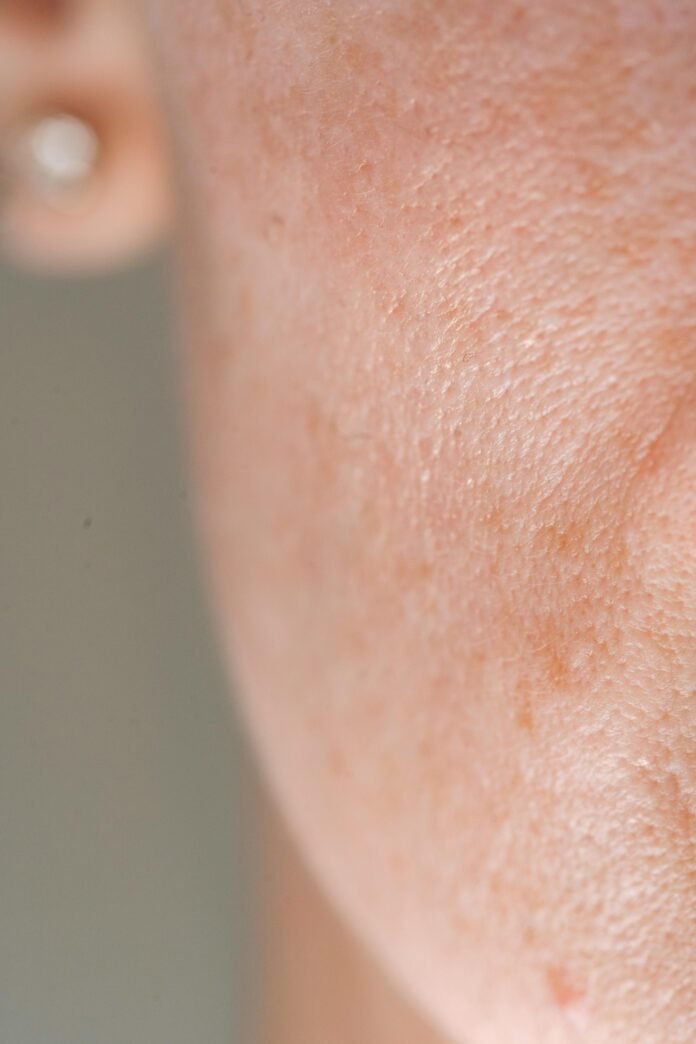
Mature skin undergoes a variety of changes as individuals age, leading to distinctive characteristics that differentiate it from younger skin types. One of the primary changes is in skin texture; as time progresses, the skin often becomes thinner and may develop a rougher surface, which can be attributed to a decrease in collagen and elastin production. These crucial proteins provide skin with structure and bounce, and their reduction results in the loss of elasticity, making the skin prone to sagging and wrinkles.
Hydration levels also decline in mature skin, primarily due to a reduced production of natural oils. As a result, older adults frequently experience dryness, leading to flakiness and a dull appearance. Dehydrated skin can exacerbate the visibility of fine lines and wrinkles, as well as contribute to an uneven skin tone. It becomes essential for individuals with mature skin to prioritize hydration, both in their skincare routines and makeup products.
In addition to texture and hydration, mature skin often presents common skin issues, such as age spots and uneven pigmentation. These changes can create challenges when selecting makeup products, as traditional formulations may not accommodate the specific needs of mature skin. For instance, heavier foundations may settle into fine lines, drawing attention to imperfections rather than concealing them. Therefore, understanding the unique attributes of mature skin is critical for choosing the right makeup products and techniques to enhance its natural beauty.
By acknowledging these factors—texture, hydration, and common skin conditions—individuals can tailor their makeup approach. Incorporating hydrating primers, lightweight foundations, and nourishing formulations can significantly improve the overall appearance of mature skin, enabling a radiant look that embraces aging gracefully.
Essential Skincare Steps Before Makeup Application
Achieving a radiant makeup look on mature skin starts with a carefully curated skincare regimen. The foundation of this process is a proper cleansing routine, which removes dirt, oil, and makeup residues that can hinder the effectiveness of subsequent skincare products. For mature skin, it is advisable to use a gentle, hydrating cleanser that does not strip the skin of its natural oils, as this can lead to dryness and irritation.
Following cleansing, exfoliation plays a pivotal role in preparing the skin for makeup application. Exfoliating the skin helps to eliminate dead skin cells, promoting cell turnover and enhancing texture. This step can be performed using either physical exfoliants, such as scrubs, or chemical exfoliants like alpha-hydroxy acids (AHAs) and beta-hydroxy acids (BHAs). However, it is vital to choose a product that is mild enough for mature skin, as it is often more sensitive.
Next in the routine is moisturizing, which is essential for maintaining hydration levels. A well-hydrated complexion creates a smoother surface for makeup, minimizing the appearance of fine lines and wrinkles. Opt for moisturizers that are rich in antioxidants and hyaluronic acid to help plump the skin and lock in moisture. Additionally, layering a serum or facial oil beneath your moisturizer can provide extra nourishment and hydration.
Lastly, sun protection cannot be overlooked. Applying a broad-spectrum sunscreen with an SPF of at least 30 is critical to safeguard mature skin from harmful UV rays. Prolonged sun exposure can exacerbate skin aging and result in dark spots and a loss of elasticity. By incorporating these essential skincare steps—cleansing, exfoliating, moisturizing, and sun protection—you can create a well-prepped canvas that allows for a flawless and radiant makeup application, ensuring that mature skin looks its best at any age.
Choosing the Right Foundation for Mature Skin
Selecting the perfect foundation for mature skin requires careful consideration of various factors to achieve a natural and radiant appearance. As skin matures, it tends to become drier and may display fine lines, wrinkles, and uneven texture. Therefore, prioritizing lightweight and hydrating formulas is crucial. These foundations offer adequate coverage while avoiding the pitfall of settling into creases or emphasizing imperfections.
When evaluating foundation options, start by identifying your skin type. For dry mature skin, opt for liquid or cream foundations enriched with moisturizing ingredients such as hyaluronic acid or glycerin. These formulations can help provide a dewy finish and maintain hydration throughout the day. Conversely, if you have oily mature skin, a lightweight powder foundation might be more suitable, as it can control excess shine while delivering coverage.
Next, it is essential to consider the desired finish. Radiant or dewy foundations can impart a youthful glow, while matte foundations can create a more polished look. However, avoid overly matte formulations, as they may exacerbate the appearance of fine lines. A satin finish often strikes the best balance, offering subtle luminosity without appearing greasy.
Shade matching is another critical element in choosing the right foundation. Mature skin may feature changes in pigmentation, leading to uneven skin tones. Test several shades to find the one that seamlessly blends with your natural complexion. It is also advisable to consider a foundation that offers buildable coverage, allowing for customization according to specific areas of concern.
In conclusion, the right foundation for mature skin significantly impacts overall makeup application and appearance. By taking into account factors such as skin type, desired finish, and proper shade matching, individuals can achieve a flawless and radiant look that enhances their natural beauty. Making informed decisions about foundation formulations is key to looking and feeling your best at any age.
Applying Makeup Techniques for a Flawless Look
When it comes to applying makeup on mature skin, achieving a radiant and flawless appearance requires a balanced approach that emphasizes the beauty of age without drawing attention to imperfections. A fundamental principle in this process is the “less is more” philosophy, which encourages the use of lighter layers of products to enhance, rather than mask, the skin’s natural texture.
Foundation selection is critical; opting for a lightweight, hydrating foundation will help create a smooth base. It is advisable to apply foundation with either a damp sponge or a foundation brush. These tools provide better coverage while allowing for a more airbrushed finish. Instead of applying foundation all over the face, focus on areas that require the most coverage. This technique minimizes the appearance of fine lines and delivers a more naturally glowing complexion.
Concealer plays an essential role in any makeup routine, especially for mature skin. Apply a creamy concealer that matches the skin tone to areas such as under the eyes and on blemishes or discolorations. A small, precision brush or your fingertip can be used to blend the concealer seamlessly into the foundation, ensuring that it does not settle into creases or accentuate texture.
Blush and highlighter can also enhance the face beautifully when applied correctly. Cream blushes are often recommended for a more natural appearance on mature skin, as they offer a dewy finish. Applying blush to the apples of the cheeks and blending it upwards towards the temples creates a youthful lift. Highlighter, when applied sparingly to the high points of the face such as the cheekbones and brow bones, can illuminate the skin without overemphasizing fine lines.
Utilizing these makeup techniques can significantly elevate the overall aesthetic for mature skin, allowing individuals to feel confident and radiant at any age.
Creating a Balanced Eye Makeup Look
As we age, our skin undergoes various changes that can affect how makeup appears, especially around the delicate eye area. Crafting a balanced eye makeup look for mature skin involves selecting flattering colors and employing techniques that enhance natural beauty while minimizing emphasis on fine lines and wrinkles. Choosing the right eyeliner is crucial; soft pencil liners or gel formulas in muted tones, such as taupe or dark brown, can define the eyes without appearing harsh. A subtle wing or a tight line can further elevate the look, providing a youthful appearance without overwhelming the eye.
When it comes to eyeshadow, opting for matte or satin finishes rather than glittery shades is advisable. Glitter can settle into creases, accentuating aging skin. Instead, consider using neutral or soft pastel colors to create dimension. A light wash of a pastel shade across the eyelid can open up the eyes, while a slightly darker tone in the crease adds depth. It’s important to blend well to create a seamless transition that does not draw attention to any imperfections.
Brow definition also plays a significant role in framing the face and enhancing eye makeup. As hair thins with age, using a brow pencil or powder to fill in sparse areas is recommended. A shade that closely matches the natural brow color can create a soft but defined look. Brushing the brows into place with a clear or tinted brow gel will ensure that they look groomed yet natural, complementing the overall eye makeup without looking overdone.
In conclusion, a balanced eye makeup look for mature skin emphasizes subtlety and softness. By focusing on flattering colors, gentle application techniques, and proper brow definition, one can achieve a radiant appearance that celebrates the beauty of aging gracefully.
Lip Makeup for Mature Skin: Tips and Techniques
Lip makeup plays a significant role in enhancing the overall appearance of mature skin. As we age, our lips may naturally lose volume and moisture, making hydration a key priority. To achieve a beautiful lip look, it is crucial to start with well-hydrated lips. Regularly applying a nourishing lip balm can help retain moisture and create a smooth canvas for makeup application. Look for lip balms that contain beneficial ingredients like hyaluronic acid or shea butter to combat dryness effectively.
Incorporating a lip liner into your routine is another effective technique for lip makeup on mature skin. A lip liner not only defines the lips but also prevents feathering and bleeding of lipstick, a common concern with aging skin. When selecting a lip liner, choose a shade that closely matches your natural lip color or the lipstick you plan to use. Apply the liner along the natural lip line, and consider filling in the entire lip area for added longevity.
Choosing the right lipstick formula is equally important. Opt for creamy, hydrating formulas that provide moisture without settling into fine lines or wrinkles. Avoid matte lipsticks, which can exacerbate the appearance of dryness and texture. Instead, consider satin or sheer finishes that give the lips a plump and youthful appearance. Additionally, selecting shades that complement your overall complexion can make a significant difference. Warm shades like peaches and soft pinks tend to enhance radiance, while deeper hues can add sophistication and depth.
Lastly, enhancing the lip shape can create an illusion of fullness. A small dab of highlighter on the cupid’s bow or the center of the lip can make them appear fuller and more defined. By implementing these tips and techniques, mature skin can radiate with beautiful lip makeup, ensuring a vibrant look at any age.
Setting and Finishing Touches
For those embracing mature skin, the application of setting and finishing products plays a crucial role in achieving a radiant, long-lasting makeup look. As skin ages, it may become drier and more textured, making the use of these products not just beneficial, but essential. Setting powders and sprays contribute significantly to maintaining a fresh appearance, ensuring that makeup stays intact throughout the day.
When selecting a setting powder, it is important to opt for a finely milled formula to avoid clinging to fine lines or accentuating texture. Translucent powders can work wonders by blurring imperfections without adding additional color. For mature skin, consider using a light touch during application, as over-powdering can lead to a heavy or cakey appearance. Using a fluffy brush, gently dust the powder over areas that tend to become oily or where makeup may move easily. This not only enhances longevity but also helps in achieving a smooth, polished finish.
In addition to powders, setting sprays serve as a valuable tool in your makeup routine. They are designed to lock in makeup and maintain hydration levels, which can be particularly advantageous for mature skin that may require extra moisture. Look out for sprays that contain hydrating ingredients like glycerin or aloe vera to provide a refreshing boost. To apply, hold the spray at arm’s length and mist it over your face in a circular motion. This technique allows for an even application without disturbing makeup placement.
The combined use of setting powders and sprays creates an effective method for ensuring that your makeup remains vibrant, fresh, and resistant to the elements throughout the day. By understanding how to apply these products effectively, those with mature skin can enjoy a flawless look that enhances their natural beauty.
Common Mistakes to Avoid in Makeup Application
Makeup application can be a transformative experience, but for individuals with mature skin, it can present unique challenges. Many seniors often encounter common mistakes that can hinder their efforts to achieve a radiant appearance. Understanding these pitfalls can help in refining their makeup techniques and enhancing their overall look.
One prevalent mistake is the over-layering of products, which can lead to a cakey and unnatural finish. Mature skin typically has different textures, and excessive product application can emphasize fine lines and wrinkles rather than conceal them. To avoid this, it is advisable to start with a light application of foundation or tinted moisturizer, using layering techniques to build up coverage gradually rather than applying thick layers all at once. A makeup sponge or a brush designed for a light finish can aid in achieving a more natural look.
Another common error involves choosing the wrong shades for foundation, blush, and eyeshadow. Many seniors might select shades that are too dark or too light for their skin tone, resulting in a stark contrast that is unflattering. A suitable approach is to seek shades that harmonize with the natural undertones of one’s skin. Additionally, testing shades in natural light can provide a more accurate representation of how they will appear when applied.
Furthermore, failing to adapt techniques to accommodate changing skin conditions can diminish the effects of makeup. For example, using heavy eyeliner or bold eye shadows may not be suitable as skin loses elasticity. Transitioning to softer, more blended application techniques can help combat this issue. Incorporating cream products rather than powder can also mitigate the aging impact on the skin, providing a more youthful, dewy appearance.
By being aware of these common makeup application mistakes and implementing thoughtful strategies to avoid them, seniors can enhance their makeup routine and embrace their mature beauty with confidence.
Inspiring Real-Life Makeup Transformations
The journey of embracing makeup for women with mature skin is not only about enhancing beauty; it is also a testament to confidence and self-expression. Many women have shared their inspiring transformations, demonstrating how makeup can elevate their appearance and, ultimately, their self-esteem. These real-life stories highlight the diverse ways makeup can complement individual features, proving that beauty has no age limit.
Take, for example, the story of Linda, a 62-year-old grandmother who felt invisible in her daily routine. After learning techniques tailored for mature skin, Linda discovered the art of highlighting her cheekbones and softening her eye makeup. The result not only enhanced her natural beauty but also reignited her passion for self-care. With every swipe of lipstick, Linda expressed her vibrant personality, showcasing her unique style. Her transformation serves as a reminder that makeup can be a powerful tool for self-confidence.
Another remarkable journey is that of Marlene, aged 55, who struggled with uneven skin tone and fine lines. After using a light-reflecting foundation and a hydrating primer, Marlene was amazed at how her complexion appeared more youthful and radiant. She embraced colors that previously intimidated her, opting for vibrant blushes and lip shades that added life to her look. Marlene’s story emphasizes the importance of embracing change and allowing makeup to be a fun and creative outlet, revitalizing her daily routine.
These transformations, and many others, embody the true spirit of makeup for mature skin. They remind us that, regardless of age, every woman can find joy in their beauty journey, utilizing makeup not only as a means of enhancement but also as an expression of individuality. Through makeup, women like Linda and Marlene inspire others to explore their beauty, reminding us that it is never too late to shine.