


Acne is one of the most common—and most frustrating—skin concerns. Whether you’re dealing with occasional breakouts or persistent acne, the experience can affect your confidence, your daily routine, and your overall skin health. With so many products, trends, and “miracle hacks” circulating online, it’s hard to know what truly works and what only wastes time and money.
This comprehensive guide cuts through the noise and focuses on dermatologist-approved, science-backed acne solutions. You’ll learn what causes acne, which ingredients make the biggest difference, what routine you should follow, and which habits will finally help you achieve clearer, healthier skin.
Let’s break down exactly what works—and what doesn’t.
1. What Actually Causes Acne? (The Real Science)
Acne is not caused by one single factor; it’s the result of several combined issues happening beneath the skin’s surface.
The Four Major Causes of Acne:
1. Excess Sebum Production
Overactive oil glands produce too much oil, which mixes with dead skin and clogs pores.
2. Clogged Pores
When dead skin cells build up, they block oil from escaping, creating a plug.
3. Bacteria Growth (C. acnes)
Bacteria trapped inside clogged pores cause inflammation, redness, and swelling.
4. Inflammation
Your immune system responds to the trapped bacteria, leading to painful, inflamed pimples.
Other triggers that worsen acne:
- Hormonal changes
- Stress
- Humid weather
- Heavy skincare or makeup
- Certain foods
- Genetic predisposition
Understanding the root causes is essential because the most effective treatments directly target these mechanisms.
2. Types of Acne (And Why It Matters)
Different types of acne respond to different treatments—so knowing which one you have helps you choose the right products.
Non-Inflammatory Acne
✔ Whiteheads (closed clogged pores)
✔ Blackheads (open clogged pores)
These respond best to exfoliating acids like BHAs.
Inflammatory Acne
✔ Papules (small red bumps)
✔ Pustules (pimples with white tips)
These require antibacterial and anti-inflammatory treatments like benzoyl peroxide.
Severe Acne
✔ Cystic acne
✔ Nodules
These painful, deep breakouts often require prescription medication or dermatologist intervention.
3. Acne Fixes That Really Work (Dermatologist-Approved)
Here are the ingredients and treatments that consistently show real results in clinical studies.
1. Salicylic Acid (BHA)
What It Does:
- Unclogs pores
- Removes dead skin
- Reduces blackheads
- Controls oil
Salicylic acid is oil-soluble, meaning it penetrates deep into the pore and dissolves the mixture of oil and debris inside. It’s one of the most effective ingredients for preventing and treating breakouts—especially blackheads and whiteheads.
Best For:
Oily skin, clogged pores, blackheads, whiteheads.
2. Benzoyl Peroxide
What It Does:
- Kills acne-causing bacteria
- Reduces inflammation
- Prevents new breakouts
Dermatologists consider benzoyl peroxide a gold standard for acne treatment because it destroys C. acnes bacteria without causing antibiotic resistance.
Best For:
Inflamed pimples, papules, pustules, hormonal breakouts.
3. Retinoids (Retinol, Adapalene, Tretinoin)
What They Do:
- Increase cell turnover
- Clear clogged pores
- Smooth texture
- Fade acne marks
Retinoids are some of the most powerful acne-fighting ingredients available. They speed up the skin’s renewal process, preventing dead cells from clogging pores.
Best For:
All types of acne, especially persistent or hormonal acne.
4. AHAs (Glycolic & Lactic Acid)
What They Do:
- Exfoliate the skin’s surface
- Brighten post-acne marks
- Improve texture
AHAs are best for fading dark spots left behind after acne (PIH—post-inflammatory hyperpigmentation).
Best For:
Dullness, dark marks, uneven tone, mild breakouts.
5. Niacinamide
What It Does:
- Reduces redness
- Controls oil
- Strengthens skin barrier
- Calms inflammation
Niacinamide is gentle enough for daily use and works well with other acne treatments.
Best For:
Sensitive, inflamed, or irritated skin.
6. Sulfur
What It Does:
- Absorbs excess oil
- Reduces bacteria
- Calms inflammation
Sulfur is ideal for treating active pimples without over-drying the skin.
Best For:
Oily or combination skin, spot treatment.
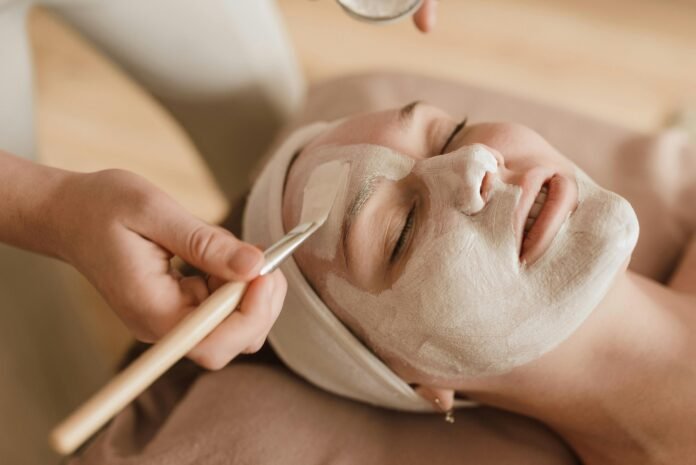
7. Clay Masks
What They Do:
- Draw out impurities
- Reduce oil
- Prevent clogged pores
Clay masks with kaolin or bentonite help reduce shine, especially in the T-zone.
Best For:
Weekly use on oily or acne-prone skin.
8. Tea Tree Oil (Diluted Only)
What It Does:
- Kills acne-causing bacteria
- Reduces inflammation
Tea tree oil is a natural alternative but must be diluted to avoid irritation.
Best For:
Mild acne, occasional breakouts.
4. Treatments That Don’t Work (And May Make Acne Worse)
Dermatologists warn against these common mistakes:
❌ Toothpaste on pimples (irritates and damages skin)
❌ Scrubs or harsh exfoliators (cause micro-tears)
❌ Drying out your skin with alcohol-based toners
❌ Popping or squeezing pimples (leads to scarring)
❌ Overwashing your face (triggers more oil production)
If it sounds too good to be true—it usually is.
5. The Ideal Acne-Fighting Routine (Morning + Night)
Here’s a simple routine dermatologists frequently recommend.
Morning Routine
1. Gentle Cleanser
Avoid harsh foaming cleansers.
2. Treatment (Choose One):
- Salicylic acid
- Benzoyl peroxide (2.5% is enough)
- Niacinamide
3. Lightweight Moisturizer
Even oily skin needs hydration.
4. Sunscreen (SPF 30–50)
Crucial, especially when using acids or retinoids.
Night Routine
1. Double Cleanse
If wearing sunscreen or makeup.
2. Retinoid or Salicylic Acid
Alternate days if sensitive.
3. Hydrating Serum
Hyaluronic acid or niacinamide to reduce irritation.
4. Non-Comedogenic Moisturizer
Prevents dryness or peeling.
6. How Long Does It Take to See Results?
Acne treatment takes consistency and patience. Most dermatologist-approved ingredients follow this timeline:
Week 1–2:
- Skin may purge
- Minor breakouts are normal
Week 4–6:
- Fewer new pimples
- Less inflammation
Week 8–12:
- Clearer pores
- Smoother texture
3–6 months:
- Significant improvements
- Fewer breakouts
- Noticeable fading of acne marks
Retinoids and benzoyl peroxide take time—but they work.
7. Lifestyle Changes That Help Clear Acne Faster
Skincare alone won’t fix everything. These habits also make a huge difference.
1. Don’t touch your face
Hands carry bacteria.
2. Change pillowcases twice weekly
Oil and sweat accumulate quickly.
3. Avoid heavy hair products near your face
Look for “non-comedogenic” formulas.
4. Reduce dairy & sugary foods
Studies show they may worsen acne in some people.
5. Manage stress
Stress hormones trigger breakouts, especially around the jawline.
6. Stay consistent
Switching products too often delays progress.
8. When Should You See a Dermatologist?
If you’ve tried over-the-counter treatments for 2–3 months with little improvement, it may be time to consult a dermatologist.
They may recommend:
- Prescription retinoids (tretinoin)
- Antibiotics (short-term use)
- Birth control pills
- Spironolactone (for hormonal acne)
- Chemical peels
- Professional extractions
- Isotretinoin (Accutane, for severe acne)
Professional care can drastically reduce acne long-term.
9. Final Thoughts
Acne can be stubborn, emotional, and overwhelming—but it’s treatable. The key is understanding what truly works, avoiding harmful trends, and committing to a consistent, science-backed routine.
To summarize the most effective acne fix approach:
✔ Use salicylic acid for clogged pores
✔ Use benzoyl peroxide for inflamed pimples
✔ Use retinoids for long-term acne control
✔ Moisturize daily to protect your barrier
✔ Wear sunscreen every morning
✔ Avoid harsh scrubs and home remedies
✔ Give treatments at least 8–12 weeks to work
Clear skin takes time, but with the right ingredients—and consistency—you’ll see real, lasting improvements.