
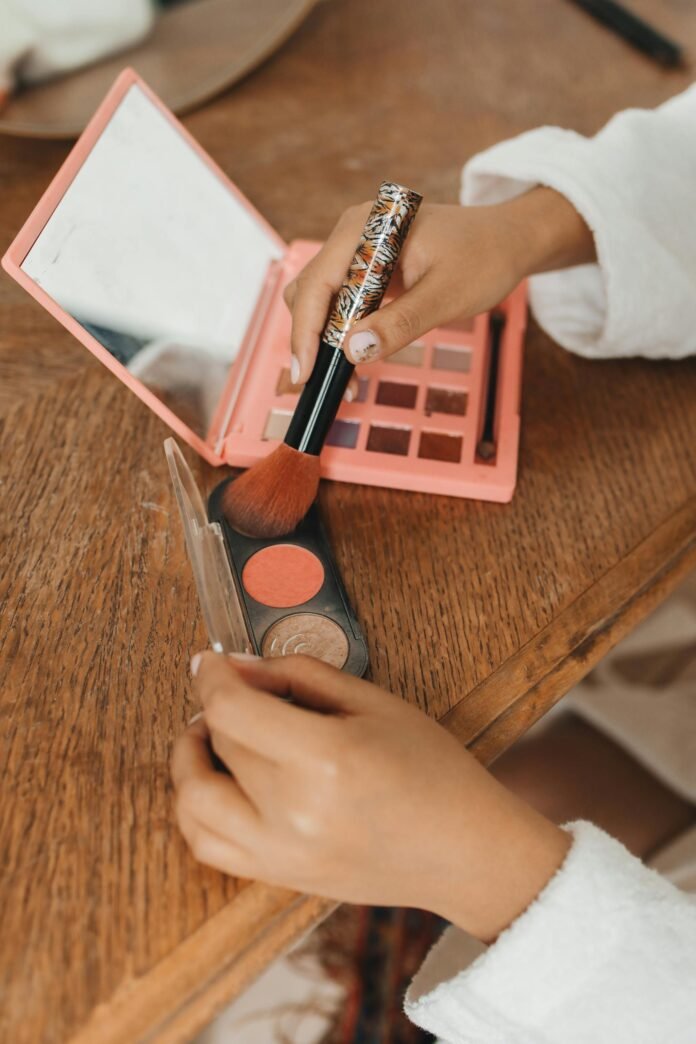


Blush is one of the most underrated makeup products—yet it instantly brings life, warmth, and dimension to your face. The right blush shade can make you look fresh, youthful, and effortlessly radiant. But the wrong one? It can make your makeup look flat, dull, or even muddy.
If you’re unsure which blush color suits your skin tone best, this guide will help you choose the perfect shade every time.
1. Understand Your Skin Tone
Before picking a blush color, identify your skin tone category. Most people fall into one of these:
- Fair skin
- Light to medium skin
- Tan or olive skin
- Deep or dark skin
Don’t worry if you’re somewhere in between—these guidelines still apply.
2. Determine Your Undertone
Your undertone affects how colors appear on your skin. There are three main types:
- Cool undertone: pink, rosy, or blue hues
- Warm undertone: yellow, golden, or peach hues
- Neutral undertone: a mix of both
Quick test:
- Veins look blue/purple → cool
- Veins look greenish → warm
- Can’t tell → probably neutral
3. Best Blush Colors for Each Skin Tone
✔ For Fair Skin
Fair skin looks best with light, soft shades that mimic a natural flush.
- Cool undertone: baby pink, soft rose
- Warm undertone: peach, apricot
- Neutral: nude pink, soft coral
Avoid: shades that are too dark or overly vibrant—they can overwhelm fair skin.
✔ For Light to Medium Skin
Medium skin tones can wear a wide range of colors.
- Cool undertone: mauve, dusty rose
- Warm undertone: peachy pink, coral
- Neutral: warm rose, soft berry
These shades look natural and create a healthy glow.
✔ For Tan or Olive Skin
Tan skin pairs beautifully with bolder colors.
- Cool undertone: deep raspberry, plum
- Warm undertone: warm peach, terracotta
- Neutral: coral rose, deep apricot
These shades enhance the golden undertones and create dimension.
✔ For Deep or Dark Skin
Rich, saturated shades stand out best on deeper skin tones.
- Cool undertone: berry, wine, fuchsia
- Warm undertone: tangerine, brick red, deep coral
- Neutral: vibrant rose, magenta
Don’t shy away from bold shades—they look stunning on deep skin.
4. Powder vs. Cream Blush: Which Should You Choose?
Choosing the right formula is just as important as the color.
Powder blush:
- Ideal for oily or combination skin
- Long-lasting
- Easy to control and blend
Cream blush:
- Perfect for dry or mature skin
- Gives a dewy, youthful finish
- Great for natural, everyday looks
Liquid blush:
- Highly pigmented
- Long-wearing
- Best for experienced users
5. Where to Apply Blush for Your Face Shape
- Round face: brush upward along cheekbones
- Long face: focus blush on the apples to add width
- Square face: soften angles by applying in circular motions
- Heart-shaped face: apply low on cheeks to balance the forehead
Application makes a big difference in the final look.
6. Final Tips to Nail Your Blush Look
- Always start with a small amount—you can build more
- Use natural lighting to check the color
- Blend well to avoid harsh lines
- Match blush to your lip color for harmony
- Choose shades that make you feel confident and glowing
Conclusion
Blush shouldn’t be intimidating. Once you know your skin tone and undertone, choosing the right shade becomes easy—and fun. With the perfect blush, your makeup will instantly look brighter, fresher, and more polished.