



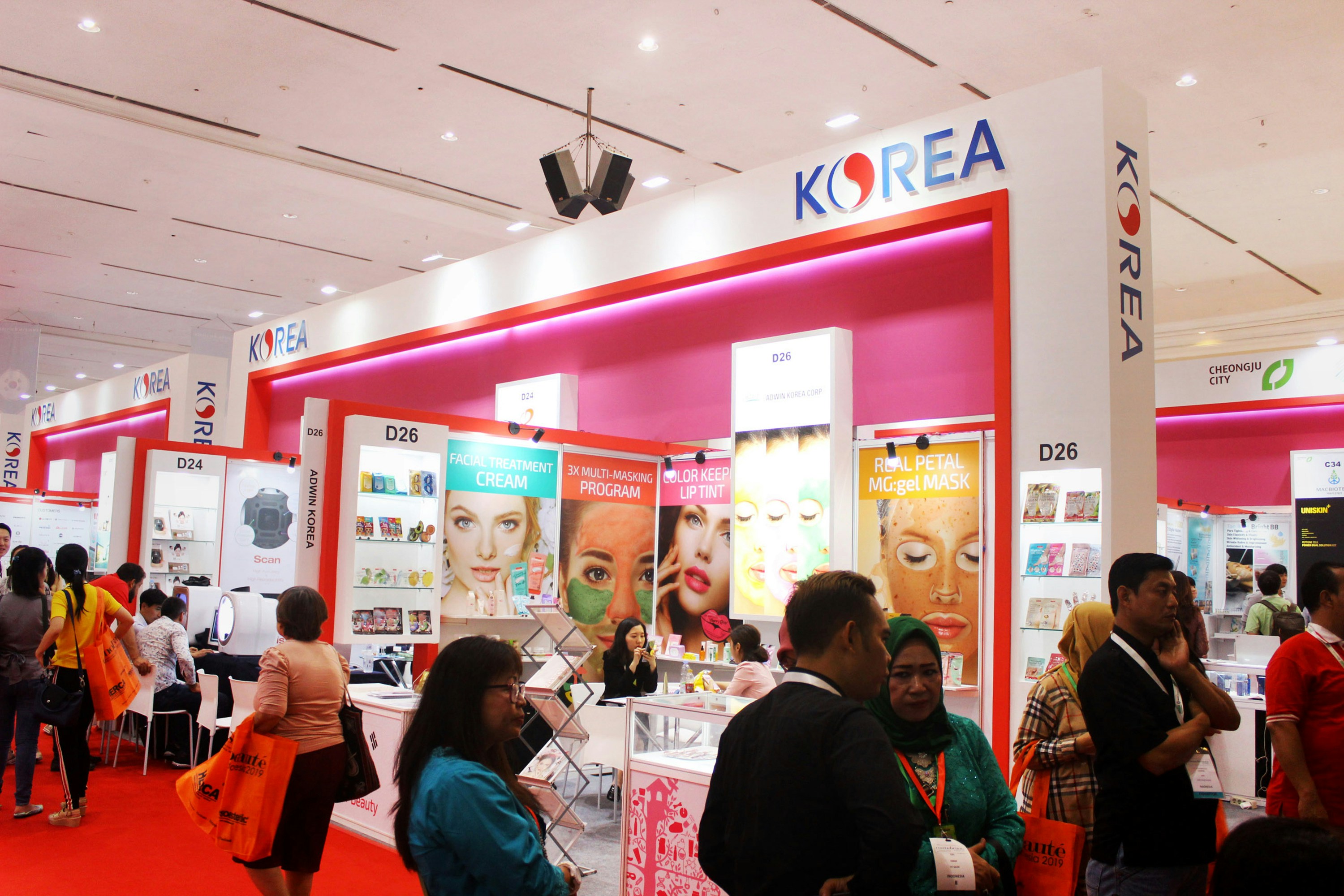
Introduction to K-Beauty
K-Beauty, or Korean beauty, has emerged as one of the most influential movements in the global skincare industry. Originating in South Korea, K-Beauty is characterized by its unique approaches and cultural philosophies surrounding skincare and beauty. The rise of K-Beauty commenced in the early 2000s, driven by a blend of innovative product formulations, holistic philosophies, and vibrant marketing campaigns. The global appeal of K-Beauty can be attributed to its emphasis on achieving radiant, youthful skin, often through multi-step skincare routines that aim to address individual skin concerns.
Central to the K-Beauty philosophy is the notion of preventive care and the pursuit of healthy skin rather than merely concealing imperfections. This contrasts with traditional Western skincare approaches, which often prioritize immediate results or corrective measures. K-Beauty encourages a holistic perception of beauty, encompassing both physical and emotional well-being. It promotes the idea that skincare should be an enjoyable and nourishing experience, leading consumers to adopt extensive routines that include a variety of products such as essences, serums, and sheet masks.
Another defining aspect of K-Beauty is its focus on innovation. The industry is continually evolving, with brands frequently launching cutting-edge products that incorporate the latest scientific advancements and natural ingredients. This commitment to research and development has positioned K-Beauty as a leader in the global skincare market, influencing trends and practices far beyond South Korea. As we explore the emerging trends in K-Beauty for 2026, it is essential to recognize how these foundational principles of innovation and holistic care continue to revolutionize the landscape of skincare, shaping consumer preferences worldwide.
The Rise of Sustainable Beauty
As we progress through 2026, the K-beauty industry is undergoing a significant transformation characterized by a growing commitment to sustainability. This shift is not merely a trend; it reflects an increasing awareness and responsibility among consumers regarding environmental issues. Brands within the K-beauty sector are now prioritizing eco-friendly practices, which include the adoption of sustainable packaging, ethically sourced ingredients, and cruelty-free testing methods.
Eco-friendly packaging has become a focal point for numerous K-beauty brands. Many companies are moving away from excessive plastic materials and opting for biodegradable or recyclable alternatives. This change is largely driven by consumer demand for products that do not contribute to the global plastic crisis. Innovative materials, such as bamboo, glass, and compostable plastics, are being explored to reduce the environmental impact of packaging. By overhauling their packaging strategies, brands are communicating their commitment to protecting the planet.
Furthermore, there is a discernible trend towards ethically sourcing ingredients. K-beauty brands are increasingly aware of the origins of their components, striving to ensure that they do not harm ecosystems or exploit labor. Ingredients that are verified to be sustainably sourced are being highlighted on product labels, appealing to a consumer base that values transparency and ethical considerations in their purchasing decisions.
In alignment with these sustainable practices, a significant number of K-beauty brands are adopting cruelty-free testing protocols. This approach not only appeals to animal rights advocates but also aligns with broader societal values regarding humane treatment in the beauty industry. As consumers become more educated and conscientious, K-beauty brands are adapting their strategies, contributing to a larger movement towards sustainability and ethical responsibility.
Personalization and Customization
In recent years, the beauty industry has witnessed a significant shift towards personalization and customization in skincare. This trend is particularly prominent in the K-beauty realm, where individual needs and preferences are recognized as essential to developing effective skincare solutions. The rising demand for products that cater to specific skin types and concerns has propelled innovations in technology, including the use of artificial intelligence (AI) and advanced skin analysis tools.
These technological advancements have enabled companies to create tailored skincare routines that address various issues, such as hydration, pigmentation, and aging. For instance, AI-driven applications now allow users to gain insights into their skin conditions by simply capturing images and answering a few questions about their skin problems. Based on this data, algorithms generate personalized recommendations, helping consumers make informed choices when selecting products.
Moreover, brands are increasingly offering customizable formulations that allow users to mix and match ingredients according to their preferences and requirements. This approach not only fosters a sense of ownership over one’s skincare but also enhances user engagement with the product. Concepts such as skin consultations via telehealth platforms provide customers with professional recommendations on optimal skincare routines tailored to unique skin profiles.
The integration of personalization in K-beauty thus extends beyond mere product selection; it embodies a holistic approach to skincare that recognizes the individuality of each consumer. As the industry evolves, the emphasis on personalized solutions is likely to deepen, continually enhancing the skincare experience for users. This movement toward customization illustrates a broader commitment to inclusivity and understanding in the beauty landscape, enabling everyone to find their ideal skincare regime suited to their specific needs.
Technological Innovations in Skincare
In 2026, technological innovations are fundamentally transforming the K-beauty landscape, offering consumers unprecedented access to advanced skincare solutions. One of the most notable developments is the integration of smart devices into daily skincare routines. These devices enable users to monitor their skin conditions, analyze hydration levels, and provide tailored recommendations based on individual needs. Users can track their skin health over time, enhancing their ability to make informed decisions about the products best suited for their unique skin types.
Additionally, augmented reality (AR) applications have gained prominence, allowing consumers to virtually try on skincare and cosmetic products before committing to purchases. This technology uses facial recognition to assess skin tones and conditions, creating a personalized experience that enhances consumer confidence in product efficacy. By enabling virtual try-ons, AR apps reduce the uncertainty associated with choosing new products, thus influencing purchasing behavior and driving customer satisfaction in the K-beauty market.
Another advancement reshaping the skincare industry is the development of novel delivery systems for active ingredients. Innovations such as nanotechnology and microencapsulation have revolutionized how ingredients penetrate the skin. These technologies allow for more efficient absorption, ensuring that active compounds reach the targeted layers of the skin effectively. As a result, consumers experience enhanced benefits from their skincare products, promoting better hydration, rejuvenation, and overall skin health.
Moreover, artificial intelligence (AI) plays a critical role in personalizing skincare regimens. AI algorithms analyze large datasets to identify patterns in consumer behavior and preferences, thereby recommending customized products that align with individual skincare goals. This data-driven approach empowers consumers, making their skincare journeys more effective and enjoyable.
The Focus on Skin Health Over Aesthetics
In recent years, the K-beauty industry has experienced a significant paradigm shift, where the emphasis has moved from transient aesthetic improvements to a more sustainable focus on long-term skin health. This transition reflects a broader understanding of skincare that prioritizes nurturing the skin’s natural barrier function and hydration. As consumers become more educated and discerning, they are gravitating towards products that offer protective and restorative benefits, reinforcing the idea that healthy skin is the foundation of beauty.
This evolving mindset is evident in the increasing popularity of formulations that incorporate ingredients aimed at enhancing the skin’s resilience. For example, products containing ceramides, hyaluronic acid, and niacinamide are gaining traction for their ability to support skin barrier integrity and provide lasting moisture. Rather than merely masking skin concerns with heavy coverage, many of today’s K-beauty offerings promote healing and nourishment, highlighting the notion that true beauty is rooted in a well-maintained skin structure.
Furthermore, there is a growing trend towards multifunctional products that blend treatment and skincare, appealing to consumers seeking convenience without sacrificing effectiveness. Innovations such as serum-infused moisturizers and tinted sunblocks not only address immediate cosmetic concerns but simultaneously contribute to the overall health of the skin. This alignment of skincare and wellness showcases K-beauty’s commitment to fostering a holistic approach, reinforcing the belief that attaining serene and luminous skin requires prioritizing health over mere appearance.
As we move into 2026, it is clear that K-beauty will continue to champion this philosophy, encouraging users to invest in their skin’s health. This progressive mindset is set to redefine beauty standards, focusing on wellness-oriented solutions that empower individuals to embrace their natural skin, ultimately leading to a more inclusive definition of beauty.
Trend-Driven Ingredients: What’s New in 2026?
In 2026, the landscape of K-beauty continues to evolve, driven by a dynamic combination of innovation and tradition. Central to this evolution is the emergence and increased popularity of trend-driven ingredients. Among these, fermented ingredients have gained remarkable traction. Fermentation enhances the bioavailability of active compounds in skincare products, leading to improved nutrient absorption. Additionally, fermented ingredients are known to maintain the skin’s natural barrier, support microbiome balance, and provide gentle exfoliation, making them a preferred choice for sensitive skin types.
Another category making waves is biotechnological extracts. These ingredients are derived through advanced scientific methods, allowing brands to harness nature’s power more sustainably. Biotech innovations, such as lab-grown collagen and plant-based peptides, promise enhanced anti-aging benefits while minimizing environmental impact. The precision offered by biotechnology ensures that these extracts are not only effective but also safe for various skin types. As awareness of these sustainable practices grows, skincare enthusiasts increasingly gravitate towards products featuring these cutting-edge ingredients.
The incorporation of adaptogens into K-beauty skincare products has also gained momentum. Adaptogens are natural substances that help the body adapt to stress and maintain balance. Ingredients such as ashwagandha, reishi mushroom, and holy basil are renowned for their ability to soothe inflammation and strengthen the skin’s resilience against environmental stressors. This trend echoes a broader holistic approach within K-beauty, where wellness extends beyond mere aesthetics and encompasses overall skin health and harmony.
As we navigate through 2026, the integration of fermented ingredients, biotechnological extracts, and adaptogens signifies a shift towards more thoughtful skincare solutions. These innovations not only fulfill consumer demands for efficacious products but also reflect a deeper understanding of the science behind skincare. The K-beauty community is poised to embrace these trend-driven ingredients, steering the industry towards a future defined by sustainable and effective skincare practices.
Inclusive Beauty: Catering to All Skin Types
The landscape of K-beauty is witnessing a pivotal shift towards inclusivity, with brands increasingly recognizing the necessity to cater to a diverse range of skin types and tones. Traditionally, many beauty products were designed with a narrow demographic in mind, often sidelining the unique needs and concerns of consumers with varied skin characteristics. However, as the global beauty market evolves, the demand for inclusive beauty products has surged, prompting K-beauty brands to expand their formulations and product lines.
This trend is significantly influencing consumer choice. Today’s consumers are more informed and are seeking products that not only acknowledge their specific skin needs but also celebrate their individuality. Brands that offer diverse options empower consumers by providing tailored solutions for varying conditions, such as dryness, oiliness, sensitivity, and pigmentation differences inherent across skin tones. Additionally, this emphasis on inclusivity fosters a sense of belonging among consumers, strengthening their relationship with brands that prioritize their unique beauty requirements.
Furthermore, as K-beauty becomes synonymous with innovative and effective skincare, the inclusion of a wider variety of formulations enhances brand loyalty. Consumers are more inclined to remain faithful to brands that meet their specific skincare needs, resulting in sustained engagement and a growing customer base. The metrics are clear; brands that promote inclusive beauty are not just appealing to a broader audience but are also witnessing higher rates of customer retention and advocacy.
In summary, the increasing focus on inclusive beauty in K-beauty formulations reflects a broader cultural movement towards diversity and representation within the skincare industry. By addressing the needs of all skin types and tones, K-beauty brands are not only elevating consumer experiences but also setting new industry standards that emphasize the importance of inclusivity in beauty. This evolving landscape suggests a promising future for skincare where everyone can find their perfect match.
Social Media and the Influence of Content Creators
In recent years, the intersection of social media and the beauty industry has become increasingly significant, particularly within the K-beauty realm. As we move into 2026, content creators and influencers play a pivotal role in shaping and disseminating skincare trends. Platforms such as Instagram, TikTok, and YouTube have emerged as essential battlegrounds where beauty enthusiasts discover innovative products and skincare routines.
Content creators, with their ability to engage audiences, introduce followers to an array of K-beauty products that may be lesser-known or emerging on the market. They leverage their platforms to provide authenticity and relatability, making it easier for consumers to trust product recommendations. This immense influence is visible through viral challenges, tutorials, and reviews where influencers validate the efficacy of new K-beauty items.
The implications of this trend extend to consumer behavior as well. As followers engage with these influencers or participate in beauty challenges, their purchasing decisions are swayed by the trust and familiarity established through these social networks. The immediacy and accessibility offered by social media enable rapid dissemination of K-beauty trends, allowing consumers to stay informed about the latest innovations, ingredients, and techniques.
Moreover, collaborations between brands and influencers have become integral in launching products. These partnerships not only amplify brand visibility but also enable tailored marketing strategies that resonate with targeted demographics. As such, the content creators serve as central figures in the promotion of K-beauty, bridging the gap between brands and consumers.
Thus, social media’s ability to engage audiences coupled with the impactful presence of content creators lays a robust foundation for the evolution of K-beauty trends. The synergy between these elements will undeniably continue to influence the skincare landscape well into 2026 and beyond.
The Future of K-Beauty: Predictions for the Next Decade
As the K-beauty industry continues to flourish and innovate, numerous trends are likely to shape its trajectory in the coming decade. Consumers are increasingly seeking personalized skincare solutions, which will push brands to focus on customization. This evolving consumer preference is driven by the understanding that each individual’s skin is unique, necessitating tailored products that cater to specific needs. Consequently, we can expect to see brands developing advanced algorithms and artificial intelligence tools to recommend personalized skincare regimens based on individual skin types, concerns, and environmental factors.
Additionally, the rise of sustainability in consumer choices will profoundly influence the K-beauty landscape. Eco-friendly packaging, natural ingredients, and ethical sourcing will become paramount, as consumers increasingly demand transparency from brands regarding their environmental impact. We anticipate an uptick in brands that prioritize sustainability, with new formulations that utilize innovative, biodegradable materials and recyclable containers. This commitment to ethical practices is likely to resonate with a growing demographic of conscientious consumers who protect the planet while enjoying their skincare rituals.
Moreover, as technology advances, we can expect an integration of smart devices in K-beauty regimens. Tools that analyze skin conditions and deliver customized treatments in real time will likely become commonplace. This combination of high-tech solutions and traditional Korean skincare principles may create a unique synergy, yielding highly effective, user-friendly beauty products. The incorporation of augmented reality in retail experiences could also enhance customer engagement, allowing consumers to ‘try before they buy’ through virtual simulations.
Overall, the next decade promises to be pivotal for K-beauty. With a heightened focus on personalization, sustainability, and technological advancement, the industry’s evolution will not only redefine skincare standards but also establish a global benchmark for beauty practices. As these innovations unfold, K-beauty will likely continue to inspire and influence beauty trends around the world.