



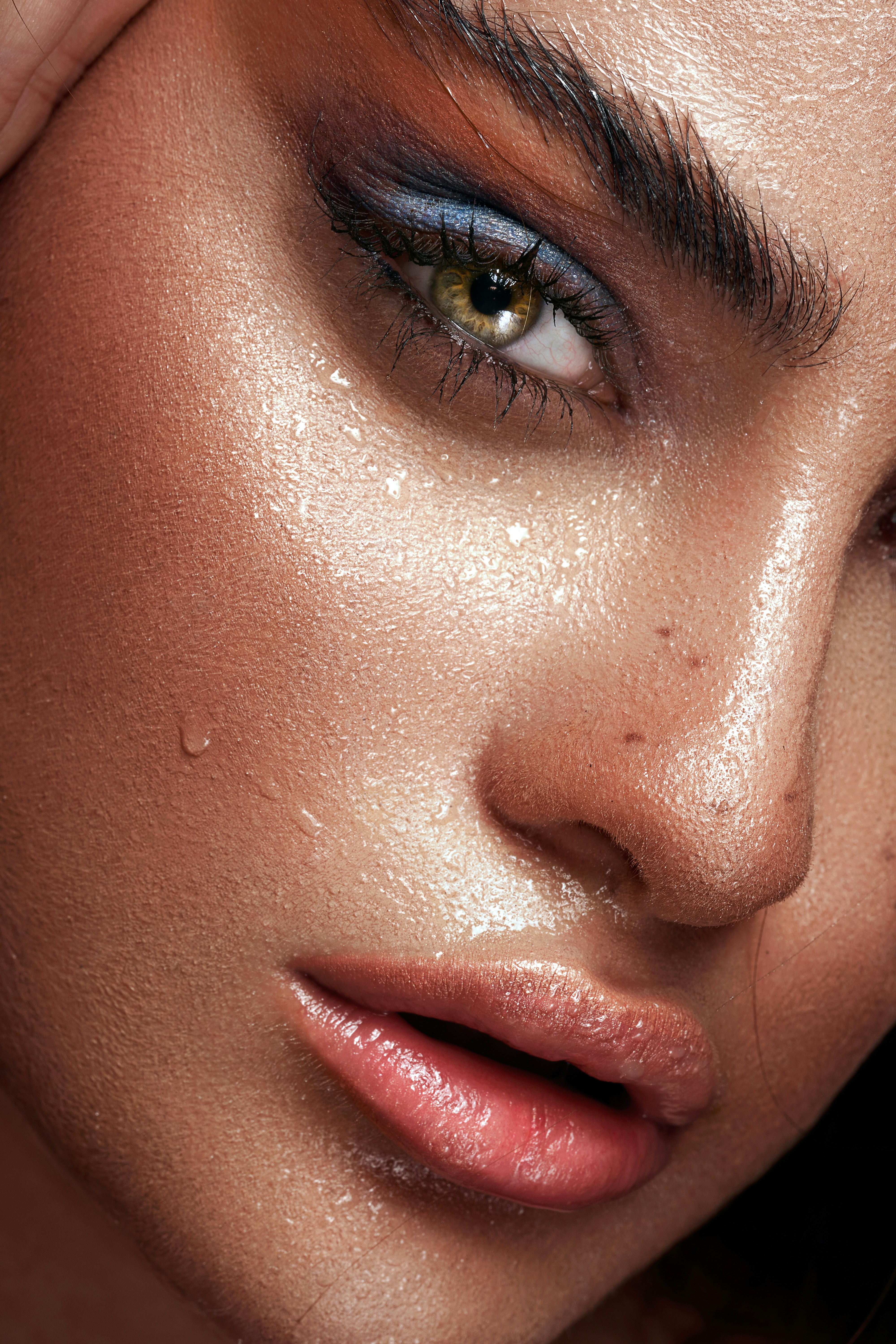
Understanding Dry and Flaky Skin
Dry and flaky skin is a common condition that many individuals experience, often leading to discomfort and a lack of confidence in appearance. The causes of dry skin can be multifactorial, encompassing various environmental factors, underlying skin conditions, and lifestyle choices. Understanding these aspects is crucial for distinguishing between dry skin and other skin types, enabling appropriate skincare and makeup approaches.
Environmental factors play a significant role in skin dryness. For instance, exposure to harsh weather conditions, such as cold winds and low humidity, can strip the skin of its natural moisture barrier. Additionally, frequent bathing or showering with hot water can exacerbate dryness by removing essential oils, leaving the skin feeling tight and flaky. Indoor heating and air conditioning can also contribute to a drier ambiance, resulting in parched skin.
In terms of skin conditions, eczema, psoriasis, and dermatitis are common contributors to chronic dryness. These conditions can lead to increased sensitivity and irritation, which further necessitates careful skincare practices. Moreover, lifestyle choices—including inadequate hydration, poor nutrition, and the use of irritating skincare products—can significantly impact skin moisture levels. Understanding one’s daily habits is vital for managing dry skin effectively.
It is essential to recognize the signs of dry skin. Common indicators include a rough texture, dull complexion, redness, and areas of flakiness. Distinguishing between dry skin and dehydrated skin is equally important, as dry skin lacks oil, while dehydrated skin lacks water. Dry skin appears rough and may crack, whereas dehydrated skin may feel tight and show signs of fine lines. Therefore, identifying your skin type and its specific needs is crucial before choosing suitable makeup products, ensuring both beauty and skin health are prioritized.
Prepping Your Skin for Makeup
Preparing dry or flaky skin for makeup application is a crucial step to achieving a flawless look. The process begins with effective cleansing, as it removes impurities and excess oils that could hinder product application. It is advisable to use a gentle cleanser that is specifically formulated for dry skin. Look for cleansers enriched with hydrating ingredients such as glycerin or hyaluronic acid. These elements help to maintain moisture levels while cleansing, ensuring that the skin remains soft and supple.
Exfoliation is another vital aspect in prepping dry skin. Unlike traditional scrubs that can be harsh, opt for a mild, hydrating exfoliator that sloughs away dead skin without causing irritation. Ingredients like lactic acid or pumpkin enzymes can be effective in gently exfoliating the skin, revealing a smoother texture. Regular exfoliation can drastically reduce flakiness, making your skin more receptive to subsequent products.
The next essential step is moisturizing, which is critical for dry skin types. A hydrating moisturizer will provide the necessary hydration to create a smooth canvas for makeup application. Look for products that contain rich emollients and humectants, such as shea butter, ceramides, and squalane, which help lock in moisture. For optimal results, apply the moisturizer while the skin is still slightly damp from cleansing.
To further enhance hydration, consider incorporating facial oils or serums before application. These products offer concentrated nourishment and can deeply penetrate the skin, ensuring that it remains hydrated throughout the day. Select lightweight oils that won’t clog pores, such as jojoba oil or argan oil, and use them in conjunction with your moisturizer for added benefits.
By following these steps, you can effectively prepare dry or flaky skin for makeup application, resulting in a more polished and beautiful finish.
Choosing the Right Makeup Products
Selecting the appropriate makeup products for dry or flaky skin is crucial for achieving a smooth, radiant appearance. Individuals with this skin type should prioritize formulations that offer hydration and comfort. One fundamental aspect to consider is the foundation. Cream or liquid foundations often provide the moisture that dry skin craves, as they are typically rich in emollients and hydrating agents. Look for products containing glycerin or hyaluronic acid, which help attract and retain moisture in the skin, preventing that parched look commonly associated with dryness. Some popular foundations designed specifically for dry skin include the NARS Sheer Glow Foundation and the L’Oréal True Match Lumi Foundation, known for their hydrating properties and luminous finish.
Primers also play a significant role in the makeup routine for those with dry skin. Utilizing a hydrating primer can create a smooth canvas, allowing makeup to adhere better while providing an extra layer of moisture. Many primers now incorporate beneficial ingredients that cater to thirsty skin. The Too Faced HangoverRx Primer and the Smashbox Photo Finish Primerizer are excellent options that not only prep the skin but also hydrate, ensuring a flawless makeup application.
When it comes to powders, a common concern among individuals with dry skin is that traditional powder formulations can exacerbate flakiness. To combat this, opt for finely milled mineral powders or hydrating setting powders. These products can help control shine without compromising skin hydration. For instance, the Laura Mercier Translucent Loose Setting Powder is favored for its lightweight, almost invisible finish that melts into the skin.
In summary, selecting the right makeup products when dealing with dry or flaky skin involves understanding the benefits of various formulations. Creamy foundations, hydrating primers, and specialized powders can make all the difference. Always pay attention to ingredients and choose brands that prioritize the needs of dry skin for a beautiful and radiant look.
Makeup Application Techniques for Flawless Finish
When it comes to applying makeup on dry or flaky skin, the key is to prioritize hydration and gentleness to create a smooth, radiant finish. Begin with a well-prepped canvas by ensuring the skin is thoroughly moisturized. Use a hydrating primer designed for dry skin; this will not only provide a smooth base but also help the makeup adhere better. For foundation, opt for formulas that are creamy or liquid and specifically formulated for dry skin. Using a damp makeup sponge can facilitate a more even application, as this technique helps to push the product into the skin, creating a natural, dewy look.
When it comes to concealer, select creamy formulations that provide both coverage and hydration. Apply concealer using a tapping motion with a finger or sponge to minimize discomfort and reduce any additional flakiness. The goal is to avoid dragging or swiping across the skin, which may exacerbate the dryness. For areas that require more coverage, gently build up the product in thin layers, allowing each layer to set before adding more.
Setting powder can be tricky for dry skin, but it can help manage shine and create longevity. Look for finely milled, translucent powders, and use a fluffy brush to apply it minimally to key areas. Again, the dabbing motion is preferable over swiping, which can disturb the makeup underneath. To lock in your look and provide additional hydration, finish with a setting spray specifically catered to dry skin. This final step not only helps the makeup last longer but also gives a fresh finish.
Throughout the day, consider bringing along a hydrating spray that you can gently mist over your face, keeping your makeup intact while combating dryness. For touch-ups, avoid heavy applications; instead, focus on lightly dabbing areas that require attention. By applying these techniques, you can achieve a flawless finish that not only enhances your features but also respects the condition of your skin.