


Understanding Maskne
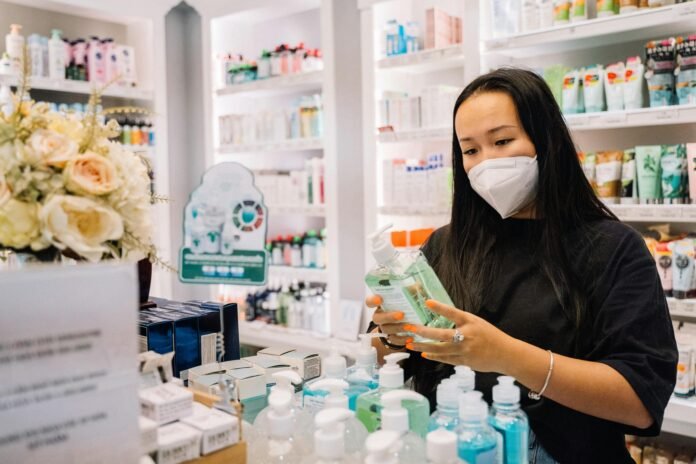
Maskne, a term derived from the combination of “mask” and “acne,” refers to the acne and skin irritations that can occur as a result of wearing face masks for extended periods. This phenomenon has gained significant attention due to the widespread use of masks during the COVID-19 pandemic, which has highlighted its impact on skin health.
The primary symptoms of maskne typically include the presence of pimples, whiteheads, red or inflamed patches, and in some cases, other forms of dermatitis such as folliculitis. The areas most commonly affected by maskne include the cheeks, chin, and jawline, which are the parts of the face that come into direct contact with the mask. The friction and pressure from the mask create an environment conducive to the development of acne, exacerbated by moisture buildup from breath and sweat trapped underneath the fabric.
Several biological factors contribute to the onset of maskne. The occlusion caused by wearing a mask blocks the skin’s natural oils, leading to an accumulation of sebum, dead skin cells, and debris in the hair follicles. This creates a perfect breeding ground for the bacteria known as Propionibacterium acnes, which is implicated in the development of inflammatory acne. Moreover, the increase in humidity and temperature within the mask can disrupt the skin’s natural barrier, making it more vulnerable to irritation and external aggressors.
Understanding the causes and symptoms of maskne is crucial for effective treatment and prevention. By acknowledging these factors, individuals can take proactive measures to mitigate the skin’s response to mask-wearing, promoting healthier skin while adhering to safety protocols. Recognizing the link between prolonged mask use and its impact on skin health is a key step toward overcoming this modern skin concern.
Identifying the Triggers
Maskne, a term that denotes acne or other skin irritation caused by prolonged mask-wearing, can stem from various factors that are often overlooked. Understanding these triggers is essential for effective management and prevention strategies. One of the primary contributors to maskne is sweat. As individuals wear masks, the area around the mouth and nose can produce excess sweat, leading to clogged pores. This environmental factor is particularly noticeable in warmer weather when perspiration levels increase significantly.
Another significant trigger is humidity. When wearing a mask, the breath creates a humid environment, which combined with sweat, forms a breeding ground for bacteria. This moisture can exacerbate existing skin conditions, making it vital to consider how humidity levels fluctuate throughout the day, especially during physical activities or in outdoor settings.
Friction from the mask itself is another underlying issue. The constant movement of the mask against the skin, especially in areas where it rubs, can cause irritation. This is particularly true for individuals who wear masks for long periods. The choice of mask material also plays a crucial role; rough fabrics can cause more friction and irritation, whereas softer, breathable materials may alleviate some discomfort.
Additionally, lifestyle factors such as skincare routines significantly impact the severity of maskne. Using heavy, occlusive products before wearing a mask can trap oils and dirt, leading to breakouts. On the other hand, adopting a gentle skincare routine with non-comedogenic products can help mitigate such risks. By identifying these triggers, individuals can take proactive measures to prevent maskne and maintain healthy skin.
Cleansing Your Skin Properly
Maintaining proper skin hygiene is essential for preventing maskne, a term referring to acne breakouts that occur as a result of wearing face masks. A consistent skincare routine is vital in this regard, particularly focusing on gentle cleansing methods that effectively remove impurities while being kind to the skin. Selecting suitable cleansers plays a critical role in preventing breakouts as they help eliminate sweat, bacteria, and other irritants that may accumulate throughout the day.
When choosing a cleanser, look for products that are non-comedogenic and free from harsh ingredients. Gel-based or foaming cleansers containing salicylic acid can be particularly effective for acne-prone skin, as they help unclog pores and reduce inflammation. Alternatively, creamy or lotion-based cleansers may be suitable for those with sensitive skin, ensuring that the cleansing process does not strip the skin of its natural moisture. It is advisable to avoid products with heavy fragrances or alcohol, as these can exacerbate skin irritation.
The frequency of cleansing plays a pivotal role in keeping the skin clear. Ideally, individuals should wash their face twice a day—once in the morning and once before bed. However, for those who wear masks for extended periods or engage in physical activities, an additional cleanse may be beneficial, particularly after removing the mask. Employing a gentle touch during cleansing is crucial; use circular motions with your fingertips rather than scrubbing aggressively, which could irritate the skin further.
Incorporating proper cleansing into your daily routine can significantly help in managing maskne effectively. By choosing the right products and cleansing techniques, individuals can promote healthier skin and reduce the likelihood of breakouts associated with mask-wearing.
Moisturizing Effectively
Wearing masks for extended periods, particularly during public health crises, can lead to a range of skin issues, most notably, dryness. This is primarily attributed to the occlusive nature of masks, which can trap moisture and alter the skin’s natural moisture balance. Effective moisturizing is crucial in maintaining a healthy skin barrier and preventing associated problems such as redness, irritation, and the emergence of maskne.
When selecting a suitable moisturizer, it is essential to opt for products that are labeled as non-comedogenic. These formulations are specifically designed not to clog pores, which is vital in combating potential breakouts caused by mask-wearing. Non-comedogenic moisturizers often contain lighter oils and hydrating agents, such as hyaluronic acid or glycerin, which can deliver hydration without the risk of exacerbating acne. Additionally, ingredients like ceramides can help restore the skin barrier, making these products particularly beneficial for those experiencing dryness.
Further enhancing the benefits of moisturizing is the application technique. It is advisable to apply the moisturizer on a clean, damp face to seal in hydration. Begin by gently patting your skin dry after cleansing and then apply the moisturizer while the skin is still slightly damp. This method enhances absorption and maximizes hydration levels. For those with oily or combination skin, using a lightweight gel or lotion can provide adequate moisture without overwhelming the skin.
Moreover, consider the timing of application. Moisturizing just before wearing a mask can provide a protective barrier that keeps the skin hydrated throughout the day. It is also beneficial to reapply moisturizer when possible, especially after prolonged mask use, to counteract any dryness and maintain optimal skin health.
Choosing the Right Mask
When it comes to preventing maskne, selecting the right mask is of utmost importance. The materials used in face masks play a crucial role in determining whether they will exacerbate or alleviate acne breakouts. Masks made from breathable fabrics, such as cotton or moisture-wicking materials, can help to reduce irritation on the skin while providing adequate coverage. These breathable options allow air circulation, which is vital in preventing sweat and oil accumulation that often leads to breakouts.
In addition to material, the fit of the mask also significantly impacts the risk of developing maskne. A mask should provide a snug fit across the sides and top of the face, preventing excessive movement as one talks or breathes. However, it is equally essential to avoid excessive friction that may result from overly tight masks. A balance should be struck where the mask is secure but not so tight that it damages the skin’s surface or creates pressure points that could lead to irritation.
Furthermore, masks with multiple layers can provide added protection while still allowing for breathability. Ideally, a two or three-layer mask offers a good balance of filtration and airflow, reducing the chances of sweat and oil becoming trapped against the skin. Facial coverings that come with adjustable earloops or ties can also enhance comfort, allowing the wearer to customize the fit to avoid unnecessary pressure on the skin.
Ultimately, making informed choices about facial coverings can mitigate the risk of maskne. By prioritizing breathable materials, ensuring a proper fit, and opting for masks that offer comfort during extended periods of wear, individuals can protect their skin while adhering to necessary health guidelines.
Spot Treatment for Breakouts
The emergence of maskne, or mask-related acne, has prompted the need for effective spot treatments to manage breakouts associated with wearing face coverings. It is essential to choose products that contain active ingredients known for their acne-fighting properties. Two of the most commonly recommended ingredients are benzoyl peroxide and salicylic acid.
Benzoyl peroxide works by killing acne-causing bacteria on the skin and reducing inflammation, making it an effective choice for treating individual pimples. When used as a spot treatment, it is important to apply a small amount directly onto the affected area to minimize irritation. Typically available in concentrations ranging from 2.5% to 10%, individuals should begin with a lower concentration to assess their skin’s tolerance before gradually increasing if necessary.
Salicylic acid, on the other hand, is a beta hydroxy acid that helps exfoliate the skin and unclog pores. By penetrating deep into the pore lining, it effectively clears out oil and dead skin cells, which are often contributing factors to acne formation. Spot treatments containing salicylic acid can also be applied directly to breakouts and are often available in various formulations, including gels, pads, and creams.
In addition to these conventional products, there are natural remedies that can provide relief from maskne. Ingredients such as tea tree oil and aloe vera are known for their antibacterial and soothing properties, respectively. Tea tree oil can be diluted with a carrier oil and applied as a spot treatment, while aloe vera gel can be used to calm irritated skin and promote healing.
Overall, effectively managing existing maskne involves utilizing targeted spot treatments that focus on active ingredients known for their acne-fighting capabilities. By choosing the right products, individuals can achieve faster results and minimize the impact of breakouts caused by prolonged mask-wearing.
Preventive Measures During Breakouts
Experiencing breakouts related to mask usage, commonly referred to as maskne, can be distressing. To manage and prevent further exacerbation of these skin issues, it is essential to adopt specific preventive measures. Firstly, minimizing the use of heavy makeup during a breakout is advisable. Heavy cosmetic products can clog pores and contribute to inflammation, making acne more pronounced. Instead, consider light, non-comedogenic options that allow the skin to breathe while still offering the desired coverage.
In conjunction with skincare adjustments, practicing effective stress management techniques can significantly aid in reducing the occurrence of breakouts. Stress is known to trigger hormonal changes in the body, leading to an increase in oil production, which can worsen acne conditions. Incorporating activities such as yoga, meditation, or even regular physical exercise can help manage stress levels and consequently improve skin health. Establishing a consistent routine that prioritizes relaxation can make a notable difference in how the skin responds to external stressors.
Furthermore, engaging in healthy lifestyle habits is crucial for maintaining overall skin health during breakouts. A well-balanced diet rich in antioxidants, vitamins, and minerals can enhance the skin’s resilience. Foods such as fruits, vegetables, nuts, and whole grains provide essential nutrients that support skin repair and rejuvenation. Staying hydrated by drinking ample water throughout the day also plays a vital role in flushing out toxins and maintaining skin elasticity.
Ultimately, being mindful of skincare choices while navigating breakouts, managing stress effectively, and adhering to a healthy lifestyle can collectively contribute to minimizing the severity and frequency of maskne outbreaks. Implementing these preventive measures will pave the way for a clearer and healthier complexion over time.
When to Seek Professional Help
Maskne, the term for acne and skin irritation caused by prolonged mask wearing, can lead to various skin conditions if not addressed appropriately. While many individuals experience mild symptoms like occasional breakouts or redness, persistent or severe manifestations can indicate the need for professional intervention. Recognizing the signs that warrant a consultation with a dermatologist is crucial in mitigating potential complications.
If you notice that your maskne is not responding to over-the-counter treatments or home care routines after several weeks, it might be time to seek professional help. Persistent acne, especially if it develops into cystic lesions or is accompanied by painful nodules, often requires specialized products or prescription medications that can effectively address these concerns. A dermatologist can provide targeted therapies tailored to your skin type and the specific nature of your maskne.
In addition to unresponsive acne, other signs can signal the need for professional evaluation. These include developing sores, excessive peeling, or signs of infection such as increased redness, warmth, or discharge in the affected area. Furthermore, if you are experiencing significant discomfort or emotional distress due to your skin condition, consulting with a dermatologist can facilitate both health and psychological well-being.
Moreover, conditions such as dermatitis or folliculitis can arise from untreated maskne. These can manifest as dry, flaky patches or inflamed hair follicles and may need medical attention to prevent further irritation and ensure proper healing. Early intervention not only enhances skin health but can also prevent the escalation of skin issues, ultimately leading to a more effective treatment outcome.
Long-term Skin Health Strategies
Achieving and maintaining long-term skin health involves a comprehensive approach that goes beyond immediate solutions for issues like maskne. One essential component is a balanced diet, which plays a crucial role in providing the necessary nutrients for skin repair and regeneration. Foods rich in antioxidants, such as fruits and vegetables, support skin elasticity and help combat oxidative stress caused by environmental factors. Incorporating healthy fats, particularly omega-3 fatty acids found in fish, nuts, and seeds, can also enhance skin hydration and reduce inflammation.
Another fundamental strategy is maintaining proper hydration. Adequate water intake is vital for optimal skin function, as it helps to maintain moisture levels and overall skin texture. Naturally, hydrated skin is less prone to dryness and irritation, factors that can exacerbate conditions like maskne. It is generally recommended to consume at least eight glasses of water a day, although individual needs may vary based on activity level and environmental conditions.
Furthermore, quality sleep should not be overlooked in the pursuit of skin health. During sleep, the body undergoes significant repair and restoration processes, promoting cell turnover and combating inflammation. Aim for seven to nine hours of quality sleep each night to allow your skin to rejuvenate properly. Establishing a consistent sleep routine can help enhance this restorative period, ultimately resulting in improved skin health.
Lastly, developing an adaptable skincare routine is essential to cater to the changing needs of your skin over time. This approach may involve reassessing the products you use, as factors like climate, stress levels, and hormonal changes can significantly impact skin condition. Regularly evaluating your skincare regimen and adjusting as necessary can help support long-term skin health and prevent issues like maskne from recurring.