


Understanding Clean Beauty
Clean beauty refers to a movement within the cosmetic and personal care industry that prioritizes the health of consumers and the environment. It emphasizes the use of non-toxic, safe ingredients while advocating for ethical sourcing and sustainable practices. The foundation of clean beauty lies in its commitment to transparency, empowering consumers to make informed choices regarding the products they apply to their bodies.
Typically, clean beauty products avoid a range of harmful ingredients often found in conventional beauty items. Common substances to be excluded include parabens, sulfates, phthalates, artificial fragrances, and synthetic dyes. These chemicals have been under scrutiny due to potential health risks and environmental impact. Instead, clean beauty endorses natural and organic alternatives free from potentially harmful additives, thereby aligning with a holistic approach to personal care.
Furthermore, clean beauty brands often emphasize ethical sourcing, which means that the ingredients are obtained from sustainable sources without exploiting workers or depleting natural resources. This commitment extends to the entire production lifecycle, promoting environmentally friendly practices such as recyclable packaging and reducing carbon footprints. The aim is to create a more responsible industry while respecting both human health and the ecosystem.
Transparency is another core principle of clean beauty. Many brands are striving to provide clear labeling that informs consumers of the ingredients used in their products, allowing them to avoid specific allergens or toxins. By fostering a culture of openness, consumers can better understand the products they use and align their purchases with their values. Overall, clean beauty seeks to revolutionize the standards of cosmetic production, encouraging responsible practices that prioritize safety, sustainability, and ethical considerations.
The Science Behind Clean Ingredients
Clean beauty products have gained significant traction as consumers become increasingly aware of the ingredients in their skincare and cosmetic regimens. At the core of this movement lies a focus on utilizing scientifically-backed ingredients that are effective yet adhere to clean standards. The formulation of clean beauty products often centers around naturally derived components that aim to minimize synthetic additives or harmful chemicals.
Common ingredients found in clean beauty products include aloe vera, shea butter, hyaluronic acid, and various botanical extracts. Each of these ingredients has been shown to offer specific benefits for different skin types. For example, hyaluronic acid is renowned for its hydrating properties, attracting water to the skin and making it ideal for those with dry or dehydrated complexions. Conversely, aloe vera is celebrated for its soothing effects, making it beneficial for sensitive skin types prone to irritation.
In contrast to traditional beauty products, which may contain synthetic fragrances or parabens, clean beauty alternatives often prioritize plant-based and non-toxic components. For example, instead of synthetic emulsifiers, clean formulations may utilize natural options like beeswax or candelilla wax to achieve the desired texture. This shift not only reduces the risk of adverse reactions but also contributes to more sustainable and environmentally-friendly practices in the beauty industry.
The efficacy of clean beauty products does not compromise on performance either. Numerous studies demonstrate that ingredients like vitamin C and retinol, often regarded as the gold standards in skincare, are also finding their clean counterparts, ensuring that consumers do not have to sacrifice effectiveness for safety. As research continues to evolve, the understanding of how clean ingredients interact with skin biology reinforces the idea that efficacy and safety can coexist within the realm of beauty.
Top Clean Beauty Brands That Deliver Results
The clean beauty market has experienced significant growth in recent years, with many brands emerging as leaders in the field. These brands not only prioritize sustainability but also focus on providing high-quality products that deliver noticeable results. Below are several reputable clean beauty brands that have earned recognition for their effectiveness and commitment to clean formulations.
One prominent name in the clean beauty industry is Tarte Cosmetics. Known for its vibrant color palettes and environmentally conscious formulas, Tarte utilizes natural ingredients such as Amazonian clay to enhance skin’s vitality. Their best-selling products, like the Shape Tape Concealer, are celebrated for their full coverage and long-lasting wear, making it a go-to item for beauty enthusiasts seeking both quality and integrity in their cosmetics.
Drunk Elephant is another influential brand worth mentioning. This skincare brand is devoted to “clean-clinical” formulations that remove harmful additives. Their popular Protini Polypeptide Cream has garnered numerous accolades for its ability to visibly improve skin texture and tone, showcasing the brand’s commitment to delivering effective products without compromising on ingredient safety.
ILIA Beauty stands out in the clean beauty landscape by merging skincare benefits with cosmetic performance. Their Super Serum Skin Tint SPF 40 is a multifaceted product that provides coverage while nourishing the skin with hyaluronic acid and niacinamide. This innovative formulation highlights ILIA’s approach to creating hybrid products that cater to both aesthetic and skincare needs.
Lastly, RMS Beauty emphasizes the use of raw, food-grade ingredients to promote skin health. Their Un Cover-Up Concealer has received acclaim for its lightweight texture and ability to effortlessly blend into the skin, offering a natural finish. The brand’s focus on sustainability and minimal processing reflects a commitment to clean beauty that resonates with conscious consumers.
These brands exemplify the efficacy of clean beauty, proving that products can indeed deliver results while adhering to ethical and health-conscious principles.
Consumer Testimonials: Real Results from Clean Beauty Users
The transition to clean beauty products has gained considerable momentum in recent years, prompting many consumers to share their experiences. Numerous testimonials reflect a growing community of individuals who have made the switch from conventional cosmetics to cleaner, more ethical alternatives. These narratives offer a window into the tangible effects of such products and often highlight a multitude of benefits.
One user, Sarah, reported a notable change in her skin’s health after adopting a clean beauty regimen. She initially struggled with acne and irritation while using traditional makeup and skincare products. Upon switching to clean alternatives, she observed a significant reduction in breakouts and an improvement in overall skin texture. “My skin feels lighter and fresher,” she stated, emphasizing that she no longer experiences the allergic reactions she once did. Such feedback underscores the potential benefits of clean beauty products in addressing specific skin concerns without harmful ingredients.
Another consumer, James, shared his journey with clean grooming products. After dealing with sensitivity from conventional men’s grooming items, he explored clean alternatives. “I was amazed at how well these products performed without causing irritation,” he noted. This sentiment is echoed by many others who have expressed satisfaction not just with performance but also with skin-friendly ingredients that are commonly devoid of toxins, parabens, and synthetic fragrances.
The comparisons drawn between clean beauty products and their conventional counterparts have led to revelations among users. Many report that the positive outcomes experienced with clean beauty often far exceed their expectations based on prior experiences. With an increasing number of consumers advocating for clean beauty, these testimonials contribute to a broader conversation about efficacy, safety, and the lasting changes that clean products can foster in one’s skincare routine.
Addressing Common Myths About Clean Beauty
The clean beauty movement has gained substantial momentum in recent years, encouraging consumers to reconsider their skincare and cosmetic choices. However, alongside this rise in popularity come a host of misconceptions about what clean beauty entails. One of the most prevalent myths is that clean beauty products are inherently less effective than their conventional counterparts. This notion stems from the assumption that products containing synthetic ingredients are always more potent. In reality, many clean beauty formulations leverage natural, high-performance ingredients that offer comparable, if not superior, results without harmful side effects.
Another common misconception is that clean beauty products are prohibitively expensive. While it’s clear that some luxury brands may price their offerings higher due to ingredient sourcing and sustainable practices, many brands in the clean beauty sector aim to provide affordable options. The rise of competitive pricing strategies and increased availability of clean beauty options at various price points indicate that consumers no longer have to spend a fortune on quality products. The growing number of brands focused on affordability reflects an industry shift, making clean beauty products accessible to a broader audience.
Availability is another area where misunderstandings may arise. Some consumers believe that clean beauty products are only found in niche boutiques. However, this is far from the truth. Many mainstream retailers now boast dedicated sections for clean beauty items, making it easier to explore these options. Additionally, the proliferation of online platforms has enabled consumers to discover and order clean beauty products from the comfort of their homes. The integration of clean beauty into conventional retail demonstrates the increasing demand for transparency in ingredient sourcing and ethical production methods.
Ultimately, addressing these myths surrounding clean beauty is essential for empowering consumers to make informed choices. By clarifying misconceptions regarding effectiveness, pricing, and availability, the clean beauty movement can continue to grow, guiding individuals toward healthier, environmentally conscious beauty practices.
DIY Clean Beauty Solutions: What You Can Make at Home
Creating your own clean beauty products at home can be both a rewarding and sustainable alternative to commercial options. By making DIY clean beauty solutions, you have complete control over the ingredients used, ensuring that they are safe and suitable for your skin type. Below are some simple recipes for effective skincare and haircare products, along with tips on sourcing clean, natural ingredients.
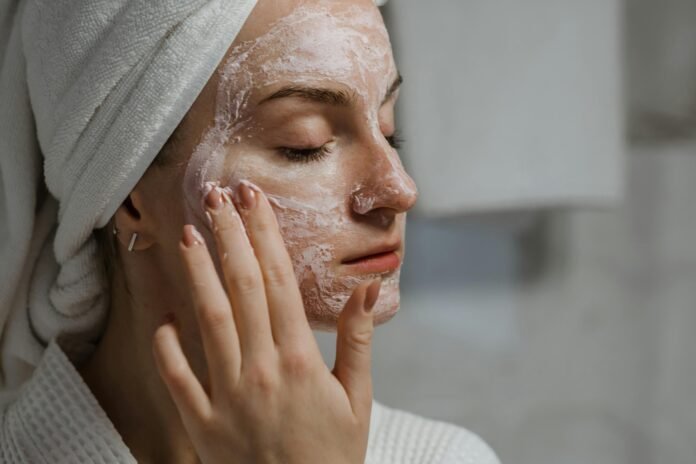
For skincare, a popular DIY solution is a nourishing face mask made from natural ingredients. Mix one tablespoon of honey with two tablespoons of plain yogurt and half a mashed banana. This mask not only hydrates the skin but also provides essential nutrients thanks to the vitamins and antioxidants present in these ingredients. Leave it on for 15-20 minutes before rinsing off with water. Such recipes highlight how easy it can be to create effective skin treatments using common household items.
Another option for skincare is a refreshing toner. Combine one part apple cider vinegar with three parts water to create a natural astringent that can help tighten pores and balance skin pH. Soak a cotton pad in the mixture and gently apply it to your face after cleansing. This toner can also be customized with essential oils like lavender or tea tree for additional benefits.
Moving on to haircare, a simple DIY hair mask may include one avocado, one tablespoon of olive oil, and a teaspoon of honey. Blend the ingredients until smooth, apply it to your damp hair, and leave it for about 30 minutes before washing it out. This mask not only nourishes the hair but can also help combat dryness and improve overall texture.
When sourcing ingredients for your DIY clean beauty products, consider visiting local markets or grocery stores where you can find fresh, organic produce and high-quality oils. Always look for products labeled as non-GMO and pesticide-free to ensure that you are using the safest and cleanest options available. By taking the initiative to create your own beauty solutions, you not only promote a healthier skincare routine but also support sustainable practices in the beauty industry.
How to Transition to a Clean Beauty Routine
Transitioning to a clean beauty routine can be a rewarding endeavor, allowing individuals to prioritize their health and the environment. The first step in this journey involves identifying harmful products. Begin by examining your current beauty regimen, focusing on ingredient lists. Look for common toxic components such as parabens, sulfates, and synthetic fragrances, which are often linked to skin irritations and long-term health issues. Online resources and databases like the Environmental Working Group’s Skin Deep guide can assist in evaluating the safety of products and highlighting those that may be harmful.
Once you have pinpointed these products, it is vital to research clean alternatives. Clean beauty products are typically formulated without harmful chemicals and are often made with natural, ethically sourced ingredients. Brands that are transparent about their ingredients and sourcing methods are generally preferable. Consider joining online communities or following clean beauty influencers, as they can provide valuable insights and product recommendations that align with your values.
A gradual transition is recommended to avoid overwhelming yourself during this process. Start by replacing one product at a time; for instance, swap out your foundation or moisturizer for a cleaner option. This method not only allows you to assess how your skin reacts to new products but also makes the process more manageable. Moreover, it’s important to understand that everyone’s skin is unique; what works for others might not be suitable for you. Therefore, observe how each new product affects your skin and adjust accordingly.
Finally, as you continue to refine your clean beauty routine, stay informed about new brands and formulations. The clean beauty market is rapidly evolving, providing more choices that meet health-conscious consumers’ needs. By implementing these practical steps, you can successfully transition to a clean beauty regimen that contributes to both personal well-being and a sustainable environment.
The Future of Clean Beauty: Trends to Watch
The clean beauty industry is witnessing notable developments that are poised to shape its future. As consumers become increasingly conscious of their purchasing decisions, innovative formulations are emerging, tailored to meet the demand for safer, non-toxic ingredients. This trend indicates a shift towards products that not only deliver performance but also align with the growing emphasis on health and sustainability. Brands are investing in research and development to create clean beauty products that harness the power of natural ingredients while ensuring efficacy. The focus on incorporating botanicals and advanced bioactives has become paramount, catering to both skin health and environmental considerations.
Additionally, there is a marked rise in the consumer demand for eco-friendly packaging solutions. The clean beauty movement has sparked a desire for sustainability that extends beyond product formulation. Brands are beginning to explore innovative packaging materials that minimize environmental impact, such as biodegradable options and reusable containers. This emphasis on sustainable packaging resonates with environmentally conscious consumers, prompting brands to rethink traditional practices in favor of more responsible alternatives. Companies are recognizing that packaging is not just a vessel for products but also a reflection of their commitment to the clean beauty philosophy.
Moreover, the importance of cruelty-free practices continues to gain traction within the industry. Many consumers now prioritize cruelty-free products, reinforcing the ethical considerations central to clean beauty philosophy. This growing sentiment encourages brands to adopt transparent practices regarding animal testing and sourcing of ingredients. As the demand for ethical and cruelty-free beauty products rises, companies are likely to enhance their commitments to social responsibility, with a focus on ensuring that no harm comes to animals during the product development process.
In conclusion, the clean beauty landscape is evolving, driven by innovative formulations, eco-friendly packaging demands, and an unwavering commitment to cruelty-free practices. These emerging trends highlight the industry’s responsiveness to consumer needs, setting the stage for a future that prioritizes health, sustainability, and ethical considerations.
Resources and Further Reading on Clean Beauty
As interest in clean beauty continues to grow, numerous resources are emerging that provide valuable insights and evidence on the efficacy of clean ingredients and formulations. For individuals wishing to delve deeper into the world of clean beauty, several books stand out as essential reading. Notably, “The Green Beauty Rules” by Paige Padgett discusses simple yet effective ways to incorporate cleaner products into your beauty routine, while “Clean Beauty” by Rachael McKeown encompasses comprehensive guidance on selecting products that align with clean beauty principles.
In addition to books, there are numerous websites dedicated to educating consumers about the clean beauty movement. Websites like the Environmental Working Group (EWG) provide extensive analyses of various beauty products, highlighting their ingredient safety and environmental impact. Similarly, Paula’s Choice Ingredient Dictionary offers an extensive resource for those looking to understand the functionality and safety of specific ingredients used in beauty products.
Online forums and communities also serve as invaluable platforms for discussing clean beauty. Engaging in discussions on social media platforms such as Reddit or dedicated clean beauty Facebook groups can enlighten you about personal experiences and preferences relating to clean products. Furthermore, scientific studies play a crucial role in providing empirical evidence about the benefits of clean ingredients. You can find peer-reviewed studies in journals like the Journal of Cosmetic Science that focus on the efficiency and safety of natural versus synthetic ingredients.
By tapping into these resources, readers can enhance their understanding of clean beauty, make informed decisions, and engage with like-minded individuals passionate about ethical and sustainable beauty practices.