



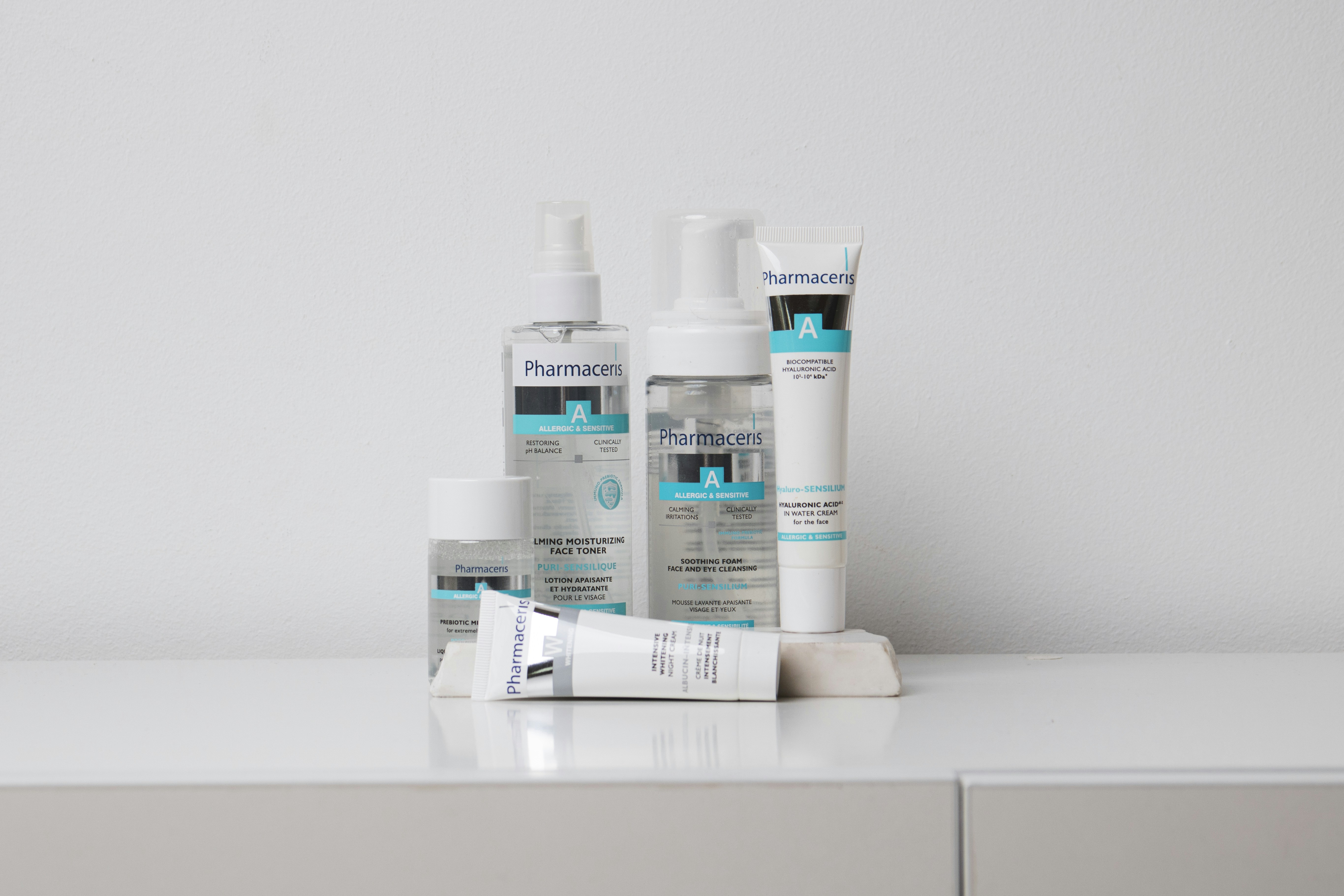
Understanding Sensitive Skin
Sensitive skin, characterized by its propensity to react adversely to various stimuli, is a condition that affects a significant proportion of the population. Individuals with sensitive skin often experience symptoms such as redness, itching, burning sensations, and dryness, which can significantly impact their daily lives. The underlying causes of sensitive skin are multifactorial and can include genetic predispositions, environmental factors, and pre-existing skin conditions such as eczema or rosacea.
One of the primary characteristics of sensitive skin is its heightened reactivity to external irritants. This includes common environmental factors such as temperature changes, wind, and pollution, which can further exacerbate symptoms. Additionally, certain skincare products may trigger reactions due to harsh chemicals or fragrances, making individuals with sensitive skin particularly discerning in their choice of products. Ingredients such as alcohol, sulfates, and parabens can lead to irritation, reinforcing the need for a well-rounded and carefully selected skincare routine.
Another crucial aspect of managing sensitive skin is understanding its unique barrier function. The skin’s natural barrier is responsible for protecting against pollutants and moisture loss. For individuals with sensitive skin, this barrier might be compromised, leading to increased vulnerability to irritants. Therefore, it is vital to incorporate products that not only cleanse but also strengthen the skin barrier, helping to restore balance and minimize sensitivity. Achieving hydration and nourishment through gentle, effective products is key in maintaining healthy skin.
In summary, those with sensitive skin must be attentive to their surroundings and the products they use. By understanding the nature of sensitive skin and its responses, individuals can tailor their skincare routines, ensuring comfort and protection while minimizing irritation.
Identifying Skin Sensitivities
Understanding your skin sensitivities is an essential first step in establishing an effective skincare routine, particularly for individuals prone to irritation. Sensitive skin can manifest through various symptoms, such as redness, itching, burning, or a stinging sensation after product application. To identify specific sensitivities, it is crucial to recognize common triggers that often lead to adverse reactions. Among these, fragrances, harsh chemicals, and allergens rank as primary culprits.
Fragrances, frequently added to cosmetic products for a pleasant scent, can be particularly problematic for those with sensitive skin. This category includes both synthetic and natural fragrances, as even naturally derived compounds can provoke reactions. Harsh chemicals, found in many conventional skincare formulations, can compromise the skin’s barrier and exacerbate sensitivity; sodium lauryl sulfate (SLS) is a notable example. Additionally, environmental allergens, including pollen, dust mites, and pet dander, can contribute to heightened skin reactions.
One effective strategy for pinpointing individual sensitivities is conducting patch tests. To perform a patch test, apply a small amount of the product to a discreet area of skin, such as the inside of the wrist, and observe for any signs of irritation over 24 to 48 hours. If no adverse reaction occurs, it may be safe to incorporate the product into your routine gradually.
Moreover, maintaining a skincare diary can significantly enhance your ability to track and understand your skin’s reactions. Document each new product introduced, its ingredients, and any noticeable changes in your skin’s condition. This record will assist in identifying patterns and ultimately help you avoid products that trigger sensitivity.
By implementing these practices, individuals can gain valuable insights into their skin sensitivities, aiding in the selection of appropriate products that will not contribute to irritation.
Essential Elements of a Sensitive Skin Routine
Creating a skincare routine specifically tailored for sensitive skin is paramount to maintaining its health and comfort. The foundation of such a routine typically encompasses three essential components: gentle cleansing, adequate moisturizing, and effective sun protection. Each step plays a crucial role in ensuring that sensitive skin remains nourished and protected from potential irritants.
The first step in any routine is gentle cleansing. It is vital to choose a sulfate-free cleanser that does not strip the skin of its natural oils or provoke irritation. Look for formulations that feature soothing ingredients such as chamomile, aloe vera, or green tea, which can help calm inflammation while cleansing the skin. It is recommended to cleanse the skin twice a day, using lukewarm water to enhance comfort and avoid exacerbating sensitivity caused by hot or cold temperatures.
Following cleansing, moisturizing is essential for replenishing hydration. Sensitive skin tends to be more prone to dryness, which can exacerbate irritation. Selecting a moisturizer that contains emollients, such as glycerin or hyaluronic acid, can effectively build a barrier that locks in moisture. Creams that are fragrance-free and formulated for sensitive skin will typically minimize the risk of adverse reactions. Ideally, the moisturizing step should be performed immediately after cleansing to ensure maximal hydration absorption.
The final essential element is sun protection, which is crucial for all skin types but particularly important for sensitive skin. A broad-spectrum sunscreen with an SPF of at least 30 should be applied daily, even on cloudy days. Opting for mineral-based sunscreens containing zinc oxide or titanium dioxide is often advisable, as these ingredients tend to be less irritating compared to their chemical counterparts. Consistent application of sunscreen can help prevent photodamage and maintain overall skin integrity.
In conclusion, by incorporating gentle cleansing, adequate moisturization, and effective sun protection into a daily routine, individuals with sensitive skin can create a solid foundation for healthier skin. This approach not only mitigates discomfort but also promotes the long-term resilience of sensitive skin.
Choosing the Right Cleanser: Gentle Yet Effective
When dealing with sensitive skin, selecting the right cleanser is paramount to maintaining a healthy complexion. A gentle and effective cleanser should address the unique concerns of sensitive skin, which often includes redness, dryness, and irritation. Non-foaming, sulfate-free options have gained popularity as they help to cleanse the skin without stripping it of its natural oils, providing a soothing experience.
Non-foaming cleansers, such as creams, milks, and oils, are particularly beneficial for sensitive skin. These formulations work by dissolving impurities and makeup while simultaneously nourishing the skin. Unlike traditional foaming cleansers that can be harsh and leave the skin feeling tight, non-foaming alternatives provide hydration and comfort. Additionally, sulfates are known irritants that can exacerbate sensitive skin conditions; therefore, sulfate-free products are advised. Choosing a gentle cleanser with a minimalist formula, devoid of artificial fragrances and harsh chemicals, helps reduce the risk of adverse reactions.
Among recommended products, look for cleansers containing soothing ingredients like aloe vera, chamomile, and calendula. Brands such as Cetaphil, La Roche-Posay, and Vanicream offer excellent options specifically formulated for sensitive skin. For example, the Cetaphil Gentle Skin Cleanser is a long-time favorite for its mild, non-irritating formula. The La Roche-Posay Toleriane Hydrating Gentle Cleanser and Vanicream Gentle Facial Cleanser are both sulfate-free and designed to cleanse without tension.
Moreover, in your cleansing routine, it is vital to be mindful of your technique. Use lukewarm water and apply the cleanser with gentle, circular motions to avoid aggravating the skin. Avoid scrubbing or using washcloths, as these may further irritate sensitive areas. Following these guidelines and utilizing the correct products will pave the way for a balanced and effective skincare routine suitable for sensitive skin.
Moisturizing: The Key to Skin Barrier Repair
Moisturizing is a fundamental step in any skincare routine, especially for individuals with sensitive skin. The skin barrier, crucial for maintaining hydration and protecting against environmental irritants, often becomes compromised in sensitive skin types. A well-formulated moisturizer can help reinforce this barrier, thereby reducing irritation and preventing moisture loss.
When selecting a moisturizer for sensitive skin, it is beneficial to look for specific ingredients known for their soothing and hydrating properties. Hyaluronic acid is one such ingredient; it is capable of holding up to 1,000 times its weight in water, making it an excellent choice for providing lasting hydration. This ingredient works well in conjunction with other humectants, ensuring that the skin remains plump and moisturized throughout the day.
Ceramides are also critical for sensitive skin moisturizers. These waxy lipid molecules help restore the skin’s natural barrier, enabling it to retain moisture and defend against external aggressors. Using a product that includes both hyaluronic acid and ceramides can offer significant benefits, enhancing moisture retention while simultaneously calming the skin.
Natural oils, such as jojoba or squalane, can provide additional nourishment. They mimic the skin’s natural sebum, allowing for deep penetration without leaving a greasy residue. When searching for a moisturizer, consider those formulations that emphasize a blend of these beneficial ingredients—but be mindful of potentially irritating additives such as fragrances or alcohol.
Some recommended products for sensitive skin include the CeraVe Moisturizing Cream, which contains both ceramides and hyaluronic acid, and the La Roche-Posay Toleriane Double Repair Moisturizer, well-regarded for its gentle formulation. By prioritizing moisturizing with the right products and ingredients, individuals with sensitive skin can achieve a more stable and resilient skin barrier.
Sunscreen: Protecting Sensitive Skin from UV Damage
For individuals with sensitive skin, applying sunscreen is an essential step in skincare routines. Sunscreen not only shields the skin from harmful UV rays but also helps in preventing irritation and premature aging. Sensitive skin types are particularly prone to reactions and flare-ups; therefore, selecting the right type of sunscreen is crucial. There are two primary categories of sunscreens: physical (or mineral) and chemical. Understanding the differences between these formulations can significantly impact the health of sensitive skin.
Physical sunscreens, which contain active mineral ingredients like zinc oxide or titanium dioxide, work by forming a protective barrier on the skin’s surface. This barrier reflects UV rays away from the skin, preventing potential damage. Physical sunscreens are generally recommended for sensitive skin since they are less likely to irritate and are often suitable for those with conditions such as rosacea or eczema. In contrast, chemical sunscreens absorb UV rays through chemical reactions. These products often contain ingredients such as avobenzone or octocrylene, which can sometimes lead to irritation for individuals with sensitive skin.
When choosing a sunscreen, it is advisable to opt for formulations labeled as “fragrance-free,” “paraben-free,” and “hypoallergenic” to minimize the risk of irritation. Non-comedogenic options are also beneficial for those who are prone to breakouts. Applying sunscreen correctly is just as important as selecting the right product. It is recommended to apply sunscreen generously and evenly to all exposed areas of the skin at least 15 minutes before sun exposure. Reapplication every two hours, or after swimming or sweating, is crucial to maintain effective protection. By following these guidelines, individuals with sensitive skin can enjoy the benefits of sun protection without exacerbating their skin condition.
The Role of Exfoliation: Being Careful with Gentle Options
Exfoliation is a crucial component of any skincare routine, especially for individuals with sensitive skin. It aids in removing dead skin cells, promoting cell turnover, and enhancing the skin’s overall texture. However, for those with delicate skin, it is essential to approach exfoliation with caution. Conventional exfoliation methods, such as harsh scrubs or aggressive chemical peels, can lead to irritation, redness, and a compromised skin barrier. Therefore, selecting gentler alternatives becomes imperative.
Gentle exfoliation methods can significantly benefit sensitive skin while minimizing the risk of adverse reactions. Enzyme-based exfoliants are a popular choice for this demographic. They utilize natural fruit enzymes, such as papain from papaya or bromelain from pineapple, to dissolve dead skin cells without the abrasive action of traditional physical exfoliants. These enzyme exfoliants are effective yet mild, making them suitable for more reactive skin types.
Another option for sensitive skin is soft scrubs formulated with fine granules. These products are designed to provide a gentle physical exfoliation without the harshness of larger granules found in traditional scrubs. Look for formulations that include soothing ingredients, such as aloe vera or chamomile, which help calm any irritation while exfoliating. Additionally, incorporating these products into one’s routine should be done with moderation; using them once or twice a week can yield positive results without overwhelming the skin.
Incorporating delicate exfoliation strategies not only improves skin texture but also prepares the skin for better absorption of subsequent skincare products. Opting for gentle methods and formulations specifically designed for sensitive skin can lead to a healthier, more radiant complexion. Adopting this careful approach will ensure that your sensitive skin remains balanced and nurtured, avoiding any potential irritation associated with harsher exfoliation techniques.
Spot Treatments and Serums: Choosing Wisely
Individuals with sensitive skin often face challenges when selecting spot treatments and serums due to the potential for irritants that exacerbate their skin conditions. It is crucial to approach the selection process with caution, as not all treatments are suitable for sensitive skin. Products that are laden with harsh active ingredients, artificial fragrances, or sulfates can lead to unwanted reactions and worsen existing skin issues.
When choosing spot treatments, one should prioritize formulas that target specific concerns while maintaining a gentle profile. Look for products containing soothing agents such as chamomile, aloe vera, or calendula, as these ingredients are known for their calming properties and ability to reduce redness and irritation. Additionally, consider spot treatments that contain niacinamide, which is effective in addressing redness and improving the skin barrier, making it a suitable option for sensitive skin.
For individuals dealing with acne or blemishes, options such as salicylic acid or tea tree oil can be beneficial, but it is essential to select lower concentrations to minimize potential irritation. Products that specify they are non-comedogenic and dermatologist-tested can further assure the safety of the ingredients for those with sensitive skin. Additionally, serums enriched with hyaluronic acid provide hydration while delivering beneficial properties without causing irritation or discomfort.
It is also advisable to conduct patch tests whenever new spot treatments or serums are introduced into a skincare routine. This practice allows individuals to monitor their skin’s reaction to the product before committing to regular use. Ultimately, incorporating a thoughtful selection of sensitive skin-friendly treatments can effectively address specific concerns, leading to improved skin health while minimizing the risk of irritation.
Integrating Lifestyle Adjustments for Sensitive Skin Health
Managing sensitive skin extends beyond the application of suitable products; it also requires embracing lifestyle adjustments that significantly influence skin health. A holistic approach encompasses diet, hydration, sleep, and effective stress management, all of which contribute to maintaining and improving sensitive skin conditions.
First, a well-balanced diet plays an essential role in skin health. Consuming a variety of fruits, vegetables, whole grains, and healthy fats can provide the body with necessary vitamins and antioxidants. Foods rich in omega-3 fatty acids, such as salmon and walnuts, can help strengthen the skin barrier, potentially offering protection against sensitivity and irritation. Additionally, minimizing the intake of processed foods, refined sugars, and dairy may aid in reducing inflammation that often exacerbates sensitive skin reactions.
Hydration is another crucial factor. Maintaining proper hydration levels not only promotes overall health but also ensures that the skin remains supple and retains moisture. It is advisable to drink an adequate amount of water throughout the day to keep the skin hydrated from within. Herbal teas and water-rich fruits can also contribute positively to hydration.
Furthermore, quality sleep is vital for skin repair and health. During sleep, the body undergoes various restorative processes, including skin regeneration. Aim for 7-9 hours of restful sleep each night to support the skin’s natural healing functions. Establishing a relaxing bedtime routine may enhance sleep quality, enabling better skin resilience.
Lastly, effective stress management techniques, such as mindfulness practices, yoga, or regular exercise, can help reduce stress-induced skin flare-ups. Prolonged stress can elevate cortisol levels, potentially leading to increased sensitivity and skin issues. Prioritizing mental and emotional well-being fosters more than just good skin; it sets a foundation for comprehensive, sensitive skin health.