



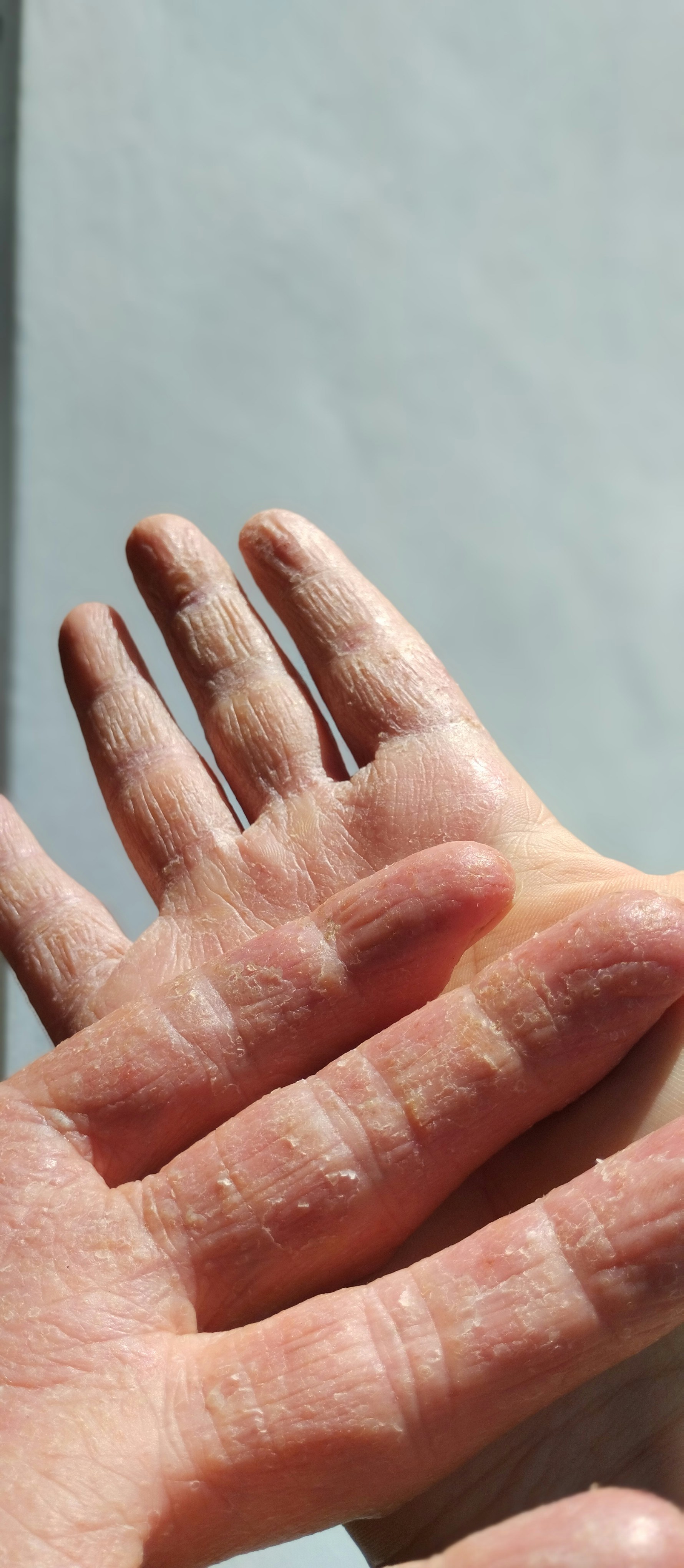
Understanding Dry Skin in Winter
During the winter months, many individuals experience a deepening of skin dryness, a condition that can be attributed to environmental factors prevalent in this season. Cold temperatures, combined with lower humidity levels, lead to a significant reduction in moisture in the skin. The combination of these elements creates a harsh environment that makes it difficult for the skin to retain its natural hydration.
In winter, the air contains less moisture, which can result in the skin losing its protective barrier. When indoor heating systems are used, they further reduce humidity, intensifying the dryness experienced. This moisture loss can manifest in various symptoms, including flakiness, a tight feeling across the skin, and irritation. If not properly managed, dry skin can also lead to more serious conditions such as dermatitis, which is characterized by inflamed and itchy skin.
The reflective nature of snow can also create additional challenges for skin health during winter. The sun’s ultraviolet rays can remain potent even in cold weather, contributing to skin dehydration and increasing the risk of damage. As a result, individuals may notice that their skin appears dull and lacks radiance, a condition that can be exacerbated by the elements. Moreover, those with pre-existing skin conditions such as eczema or psoriases may find that their symptoms flare up during these colder months, requiring more diligent care and management strategies.
Understanding the relationship between winter weather and dry skin is crucial. By recognizing how cold temperatures and low humidity contribute to the deterioration of skin hydration, individuals can take proactive steps to mitigate these effects and maintain healthier skin throughout the winter season.
The Importance of a Proper Skincare Routine
As winter approaches, the cold weather brings with it a unique set of challenges for the skin. During this season, the humidity levels plummet, leading to dryness and irritation. For many individuals, having a dedicated skincare routine is crucial in order to combat these effects and retain the skin’s natural moisture. A proper skincare routine goes beyond merely applying products; it serves to lock in hydration, protect against harsh environmental conditions, and maintain the integrity of the skin’s barrier function.
A well-structured morning routine is essential for preparing the skin for the day ahead. Starting with a gentle cleanser helps to remove overnight impurities while preventing the loss of natural oils. Following this, the application of a hydrating serum rich in humectants can provide an immediate boost of moisture. Products containing hyaluronic acid, for instance, can draw water to the skin and keep it looking plump and healthy. Moving on, a moisturizer should be applied to lock in the moisture provided by the serum. Look for creams with emollients that create a protective layer over the skin.
Evening routines are equally important, as this is when the skin undertakes its repair process. It is advisable to begin with a thorough cleanse to eliminate the day’s buildup of pollutants and impurities. Subsequently, using a richer, more nourishing moisturizer at night can be beneficial, especially those formulated with occlusives like shea butter or ceramides. These ingredients not only offer hydration but also enhance the skin’s lipid barrier, which is crucial for maintaining smooth and soft skin until morning. By establishing both morning and evening routines that focus on hydration and protection, individuals can effectively manage their skin’s health during the winter.
Essential Cleansers for Dry Skin
During the colder months, maintaining hydrated and healthy skin becomes increasingly important, especially for individuals with dry skin. Choosing the right cleanser is crucial, as the wrong product can exacerbate dryness and irritation. In this context, it is advisable to avoid harsh soaps that may contain alcohol or sulfates. These ingredients tend to strip the skin of its natural oils, leading to heightened dryness and discomfort.
Instead, opt for cream-based or oil-based cleansers, which are designed specifically for dry skin. Cream cleansers typically have a rich, emollient texture that gently removes makeup, dirt, and impurities without compromising the skin’s moisture barrier. They often include ingredients such as shea butter, glycerin, or natural oils that provide hydration while cleansing. For example, a cleanser containing almond or coconut oil can nourish the skin as it cleans, leaving it soft and supple post-wash.
Oil-based cleansers are another excellent option for those with dry skin, particularly during the winter months. These formulations work by binding to makeup and grime, effectively breaking them down while simultaneously imparting moisture. This dual-action ensures that the skin retains its natural oils, preventing the tight, uncomfortable feeling often associated with traditional cleansers. Additionally, many oil-based cleansers feature botanical extracts that provide antioxidant benefits, enhancing overall skin health.
Another noteworthy option is micellar water, which can be used as a gentle, no-rinse cleanser for dry skin. Composed of tiny oil molecules suspended in water, it effectively captures debris without the need for scrubbing, making it suitable for sensitive skin types. Ultimately, selecting the right cleanser is essential for maintaining a balanced and hydrated complexion throughout the harsh winter months.
Hydrating Toners and Serums
As the winter season approaches, maintaining proper skin hydration becomes imperative, especially in dry weather conditions. Hydrating toners and serums are essential components in the skincare routine aimed at combating dryness and enriching the skin with moisture. These products act as an additional layer of hydration, preparing the skin for subsequent treatments and sealing in moisture.
When selecting a hydrating toner or serum, it is crucial to look for specific ingredients known for their moisturizing properties. One of the key ingredients is hyaluronic acid, a powerful humectant that holds up to 1,000 times its weight in water. This ingredient draws moisture from the environment into the skin, providing immediate hydration and contributing to a plump, youthful appearance. Hyaluronic acid is particularly beneficial during winter, as it helps counteract the skin’s natural tendency to lose moisture due to cold temperatures and low humidity.
Another noteworthy ingredient to consider is glycerin, which also possesses strong humectant properties. Glycerin works by attracting water to the outer layer of the skin, thereby enhancing moisture retention and creating a barrier against environmental factors. This increases the skin’s overall hydration levels, making it softer and more supple. Additionally, aloe vera is a natural option celebrated for its soothing and hydrating qualities. Its gel-like texture provides a refreshing sensation and helps calm irritated skin while boosting hydration.
Incorporating these hydrating toners and serums into your skincare routine can significantly improve the texture and moisture content of your skin throughout the colder months. By choosing products rich in hyaluronic acid, glycerin, and aloe vera, individuals can effectively enhance their skin’s hydration and protect against dryness in winter weather.
Moisturizers: Choosing the Right Formula
As winter approaches, the chilly air can cause significant moisture depletion in the skin, leading to dryness and discomfort. In this context, a high-quality moisturizer becomes an essential part of any skincare routine aimed at preserving skin health. The right formula not only hydrates but also acts as a barrier against harsh environmental agents, making it crucial to select a product that meets the unique demands of cold weather exposure.
Moisturizers typically fall into two main categories: creams and lotions. Creams tend to have a thicker consistency, mainly due to a higher oil content, which allows them to provide a more robust barrier against the elements. This characteristic makes creams especially ideal for very dry skin types that require an extra boost of hydration and protection during winter months. On the other hand, lotions, while generally lighter, might not offer the same level of moisture retention as creams. They can be suitable for individuals with oily or combination skin, particularly when there is minimal dryness.
The formulation of a moisturizer is also critical in ensuring effective hydration. Ingredients such as ceramides and fatty acids are particularly beneficial as they help reinforce the skin’s natural barrier, preventing trans-epidermal water loss and keeping the skin supple. Ceramides play a vital role in retaining moisture, while fatty acids nourish and restore the skin’s lipid layer. When selecting a moisturizer for dry winter conditions, it is prudent to opt for thicker formulations enriched with such components, as they can provide sustained hydration and enhance overall skin resilience against the cold.
The Role of Exfoliation in Winter Skincare
Exfoliation plays a crucial role in maintaining healthy skin, especially during the winter months when cold air and low humidity levels can lead to dry, flaky skin. The primary purpose of exfoliating is to remove dead skin cells from the surface, allowing fresh skin to emerge and promoting a more radiant complexion. However, a cautious and mindful approach is essential to avoid exacerbating the dryness often associated with winter weather.
During winter, the skin’s natural moisture barrier can be compromised, leading to an increased risk of irritation and sensitivity. Consequently, it is vital to opt for gentle exfoliation methods that can effectively remove dead skin without stripping the skin of its essential oils. Chemical exfoliants, such as alpha-hydroxy acids (AHAs) or beta-hydroxy acids (BHAs), can be particularly beneficial due to their ability to penetrate the skin and promote cell turnover without the physical abrasion that harsh scrubs might cause. These options can help maintain a hydrated and smooth surface without causing additional dryness.
Moreover, frequency also plays a significant role in the exfoliation process. Over-exfoliating can lead to imbalances in the skin’s moisture levels, resulting in further irritation and flakiness. It is advisable to exfoliate only once or twice a week during winter, depending on your skin type and its sensitivity. Always listen to your skin and adjust your routine accordingly. Including a hydrating serum or moisturizer post-exfoliation can help restore moisture and nutrients, enhancing the overall effectiveness of the routine.
In conclusion, while exfoliation is beneficial for maintaining healthy skin during winter, it must be approached with care and consideration. By choosing gentle methods and limiting frequency, individuals can enjoy the advantages of exfoliation without compromising their skin’s hydration and overall health.
Sun Protection in Winter
Many individuals underestimate the importance of sun protection during the winter months. While temperatures may drop and the sun’s intensity might seem diminished, ultraviolet (UV) rays continue to pose a significant risk to skin health. In fact, up to 80% of UV rays can penetrate through clouds, which means that even on overcast days, skin is still exposed to harmful radiation.
Winter sports enthusiasts or those who spend extended periods outdoors should be particularly vigilant. Snow reflects up to 80% of UV rays, amplifying the exposure to the skin. Therefore, incorporating a broad-spectrum sunscreen into one’s winter skincare routine is essential in safeguarding against both UVA and UVB rays. Ideally, a product with at least SPF 30 is recommended to provide adequate protection.
Incorporating sun protection into daily routines is a straightforward yet impactful step that cannot be overlooked. It is advisable to apply sunscreen daily, even on days when one does not plan to spend a substantial amount of time outside. Opting for a broad-spectrum sunscreen that is suitable for your skin type will ensure that the skin remains shielded from damaging rays while also addressing issues like dryness and irritation that can arise during the colder months.
To enhance the efficacy of sun protection, consider layering sunscreen over a moisturizer. This approach not only provides hydration but also fortifies the skin against the drying effects of winter weather. Additionally, remember to reapply sunscreen every two hours or following activities that cause you to sweat or wipe your face to maintain optimal protection.
Ultimately, prioritizing sun protection during winter is a vital aspect of comprehensive skincare. By integrating sunscreen into daily routines, individuals can effectively combat the adverse effects of sun exposure and maintain healthier skin all season long.
Lifestyle Tips for Healthy Winter Skin
As winter approaches, the conditions can increasingly challenge the skin, making it essential to adopt specific lifestyle practices to maintain its health and hydration. One of the most vital strategies is to ensure adequate hydration. Despite the cold temperatures, staying hydrated is crucial for preventing skin dryness. Drink plenty of water throughout the day and consider incorporating herbal teas, which can be both hydrating and soothing during the colder months.
Another effective method is to use humidifiers in your living and working environments. These devices add moisture to the air, which can help combat the dryness typically associated with winter. A humidifier can be particularly beneficial during nighttime, as it allows for unbothered skin hydration while you sleep, reducing the effects of cold, dry air on the skin.
When venturing outdoors, wearing protective clothing is crucial for shielding the skin from harsh winter elements. Opt for garments made of breathable fabrics that keep you warm while allowing your skin to breathe. Hats, scarves, and gloves are important additions that can help preserve moisture and create a barrier against wind and cold. Additionally, it is vital to apply sunscreen, even in winter, as sun exposure can still damage the skin, particularly on bright, snowy days.
Diet also plays a significant role in maintaining healthy skin during winter. Incorporating foods rich in omega-3 fatty acids, such as fish, walnuts, and flaxseeds, can help strengthen the skin’s barrier function. Similarly, fruits and vegetables loaded with antioxidants can support skin health and protect against free radical damage. It is advisable to limit processed foods and sugars to optimize skin vitality during these dry months.
DIY Skincare Remedies for Dry Skin
During the winter months, maintaining skin hydration is essential, especially for those prone to dryness. Fortunately, there are numerous natural DIY remedies available that can provide effective relief from dry skin symptoms. Utilizing simple ingredients found in your kitchen not only offers a cost-effective solution but also ensures that you are applying nourishing and beneficial substances to your skin.
One of the most effective natural moisturizers is honey. Known for its humectant properties, honey draws moisture from the air into your skin. To create a honey face mask, mix two tablespoons of honey with a tablespoon of warm water. Apply this mixture to your face, allow it to sit for about 20 minutes, and then rinse with warm water. This treatment can add essential moisture, leaving your skin feeling soft and hydrated.
Coconut oil is another popular ingredient known for its deep moisturizing capabilities. To create a simple body scrub, combine three tablespoons of coconut oil with one cup of brown sugar. This scrub can be used on the body to exfoliate dry patches and restore natural moisture. Gently massage the blend onto damp skin in circular motions, then rinse off with warm water. Regular use of this scrub can significantly enhance the skin’s texture and moisture levels.
Oatmeal is a versatile ingredient that can soothe irritated skin while providing hydration. To prepare an oatmeal bath, finely grind one cup of uncooked oats and add it to your bath water. Soaking in this mixture helps calm inflamed skin while adding moisture. Alternatively, you can create an oatmeal face mask by combining oatmeal with yogurt and a teaspoon of honey, applying it to your face for about 15 minutes to rejuvenate dry skin.
By incorporating these easy DIY skincare remedies into your routine, you will not only nourish your skin but also enjoy the benefits of simple, natural ingredients. These treatments can help combat the adverse effects of dry winter air, ensuring your skin remains healthy and hydrated.